






Magnesium bisglycinate and sleep: what science actually says
Table of Content
Last updated: March 31, 2026
You sleep 7 hours but wake up drained. Your training suffers, recovery stalls, and the coffee count keeps climbing. Sound familiar? Your magnesium levels might be the issue. Around 70% of European adults don't meet the recommended magnesium intake (Examine.com), and this deficit directly impacts sleep quality. Magnesium bisglycinate — the most absorbable and stomach-friendly form — now has fresh clinical evidence supporting its use for sleep. Here's what the science actually says.
What is magnesium bisglycinate?
Magnesium bisglycinate is a chelated form where each magnesium atom is bonded to two glycine molecules. This bond protects it from stomach acid, improves intestinal absorption, and avoids the laxative effects common with oxide or citrate forms.
"Bisglycinate" and "glycinate" refer to the same molecule. The sleep advantage is twofold: magnesium itself promotes nervous system relaxation, while glycine delivers its own sedative benefits.
Magnesium bisglycinate vs other forms
| Form | Bioavailability | Digestive Tolerance | Best For | Drawbacks |
|---|---|---|---|---|
| Bisglycinate | High | Excellent | Sleep, stress, recovery | Higher cost |
| Citrate | Good | Moderate | Gut regularity | Can cause loose stools |
| Oxide | Low (4-5%) | Poor | Avoid | Poorly absorbed, laxative |
| Threonate | Good | Good | Cognition, memory | Few studies, expensive |
| Taurate | Good | Good | Cardiovascular | Less studied for sleep |
| Malate | Good | Good | Energy, cramps | Not sleep-specific |
For sleep, bisglycinate has the strongest research backing. Glycine crosses the blood-brain barrier and directly contributes to central nervous system relaxation.
How magnesium affects sleep
Magnesium doesn't knock you out like a sleeping pill. It works through several mechanisms that create the conditions for better sleep quality.
GABA regulation
Magnesium activates GABA receptors — the brain's primary inhibitory neurotransmitter. GABA reduces neural activity, calming the mind and preparing the body for rest.
Melatonin production
Magnesium is a cofactor in melatonin synthesis. Supplementation can increase serum melatonin levels (Abbasi et al., 2012).
The glycine effect
This is where bisglycinate outperforms other forms. Glycine lowers core body temperature — a key sleep-onset signal. It also acts as an inhibitory neurotransmitter via its own receptors in the brainstem. This dual action (magnesium + glycine) explains why bisglycinate is superior for sleep.
Cortisol reduction
Magnesium helps regulate the HPA axis, which controls your stress response. Excess evening cortisol prevents sleep onset. Magnesium can help normalize these levels.
What the science says: key studies
The Abbasi trial (2012)
46 elderly insomniacs received 500 mg magnesium or placebo for 8 weeks. The magnesium group showed significant improvements in sleep time, sleep efficiency, melatonin levels, and reduced cortisol (Abbasi et al., 2012).
The Zhang study (2017)
Population-level observational study found a significant association between higher magnesium intake, better sleep quality, and longer sleep duration (Zhang et al., 2017).
The 2025 RCT — Latest evidence on bisglycinate
A randomized, placebo-controlled trial published in 2025 specifically tested magnesium bisglycinate (250 mg elemental magnesium) for 28 days in healthy adults with self-reported poor sleep. Result: statistically significant improvement in Insomnia Severity Index scores. The effect was particularly strong among participants with low baseline dietary magnesium intake.
Optimal dosage for sleep
Starting dose: 200-250 mg elemental magnesium in the evening. Optimal range: 300-400 mg for most active adults. Timing: 30-60 minutes before bed. Glycine starts lowering body temperature while magnesium activates GABA receptors.
Important: distinguish between total supplement weight and elemental magnesium. A 2,000 mg magnesium bisglycinate capsule contains roughly 200 mg elemental magnesium. Always check the label.
The athlete's sleep protocol
Athletes have higher magnesium needs — sweat increases losses and intense training demands more recovery support.
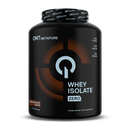
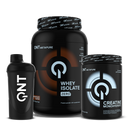
- Post-training: A Metapure Whey Isolate Zero shake for muscle recovery
- Dinner: Magnesium-rich foods (spinach, almonds, pumpkin seeds, dark chocolate >70%)
- 30-60 min before bed: 300-400 mg magnesium bisglycinate
- Hydration: A glass of water with the supplement
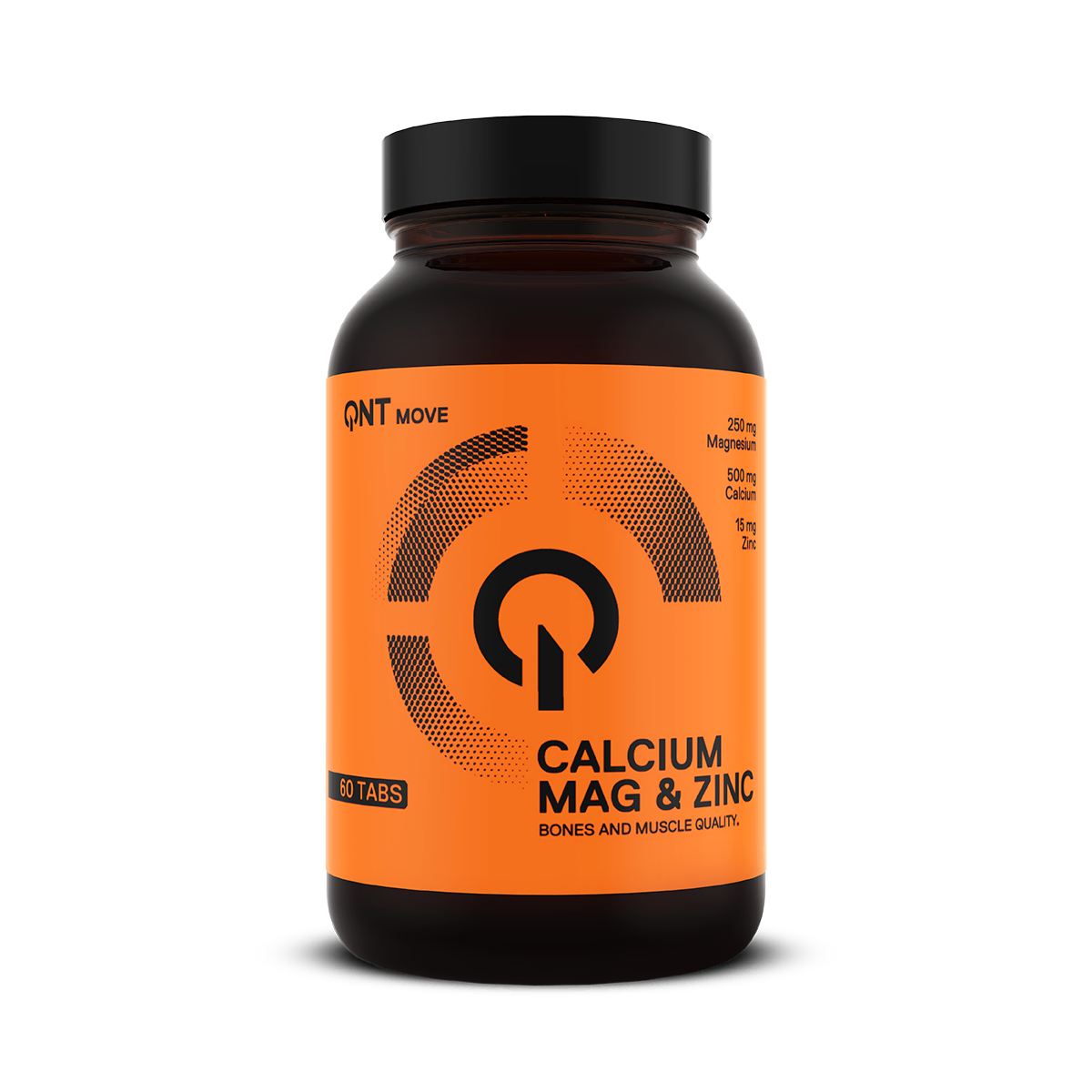
Magnesium works synergistically with glutamine for recovery. Explore our vitamins and minerals range and QNT Calcium Magnesium Zinc.
Side effects and precautions
Bisglycinate is one of the gentlest forms. Side effects are rare at recommended doses. Consult a doctor if you have kidney issues or take heart medications/diuretics. Space 2 hours from antibiotics.
How QNT products support sleep and recovery
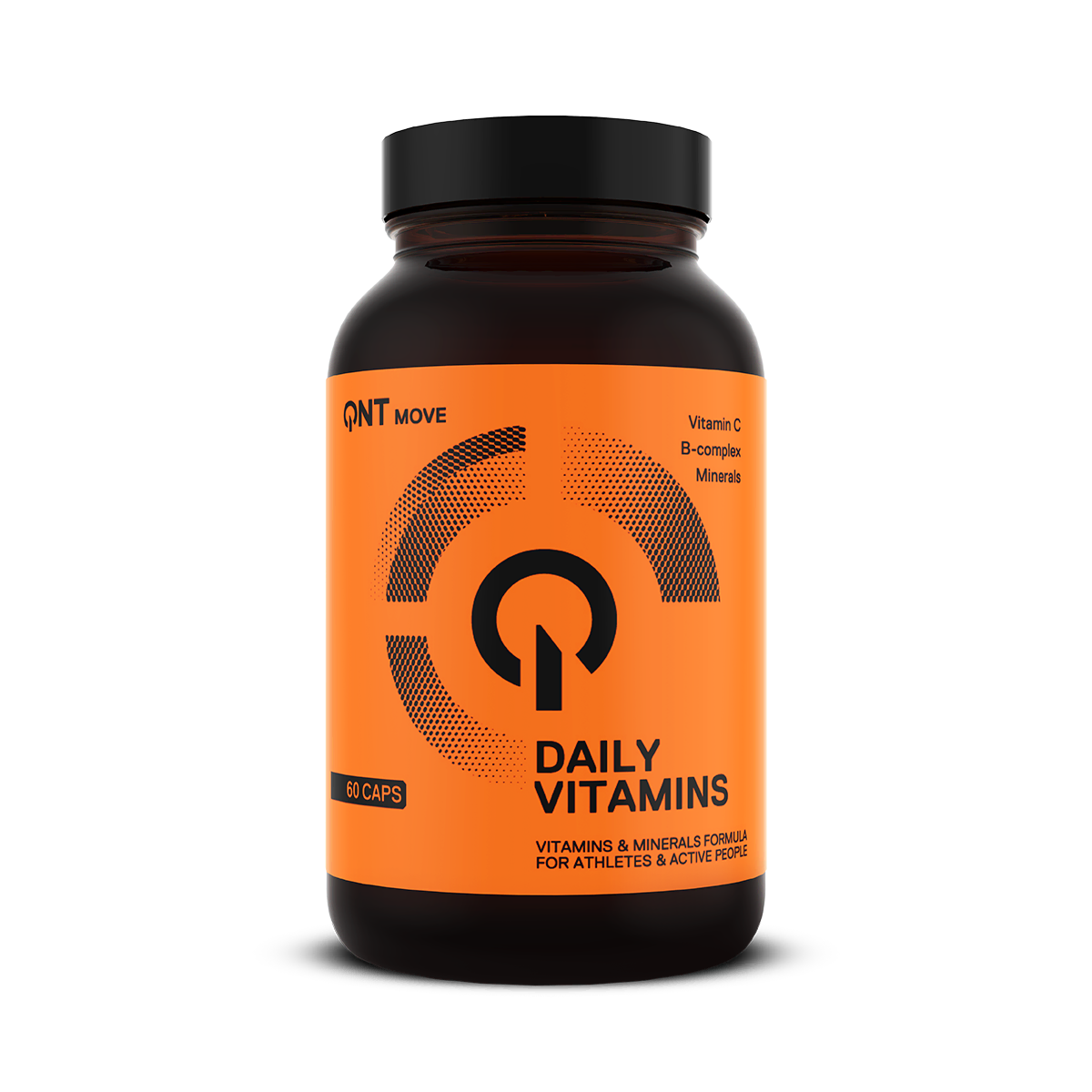
Calcium Magnesium Zinc: Our Calcium Magnesium Zinc delivers the essential minerals for sleep and recovery.
Protein: Metapure Whey Isolate Zero completes the post-training recovery protocol.
Vitamins and minerals: Our vitamins and minerals range covers all your micronutrient needs.
Sources
- Abbasi et al. (2012). Effect of magnesium supplementation on primary insomnia in elderly. Journal of Research in Medical Sciences. PubMed
- Zhang et al. (2017). Association of magnesium intake with sleep duration and sleep quality. PLOS ONE. DOI
- RCT 2025. Magnesium bisglycinate supplementation in healthy adults reporting poor sleep. PMC. PMC12412596
- Held et al. (2002). Oral Mg supplementation reverses age-related neuroendocrine and sleep EEG changes. Pharmacopsychiatry. DOI
- Examine.com — Magnesium
By the QNT Sport team — Over 30 years of sports nutrition expertise
FAQ
Read more
 Recipes
Cheat meal: how to enjoy it without ruining your progress
Cheat meals can boost motivation without wrecking your results. Discover the 3-step method, common mistakes, and the science behind smart refeeds. ...
 Training
Carb cycling: the complete guide to losing fat and keeping muscle
Carb cycling helps you lose fat while preserving muscle. Discover the science, a 7-day plan, ideal macros and the best supplements. Expert guide by...


