Skip to content
Cart

Your cart is empty

Continue shopping

Endurance

Endurance is defined as the ability to maintain an effort of relative intensity over a prolonged period of time.

It is an essential muscular quality in sports such as athletics (3000 m, 5000 m, 10,000 m, marathon, etc.), cycling and swimming (over longer distances).

It also forms the basis of physical fitness and develops cardiac volume.

3 products

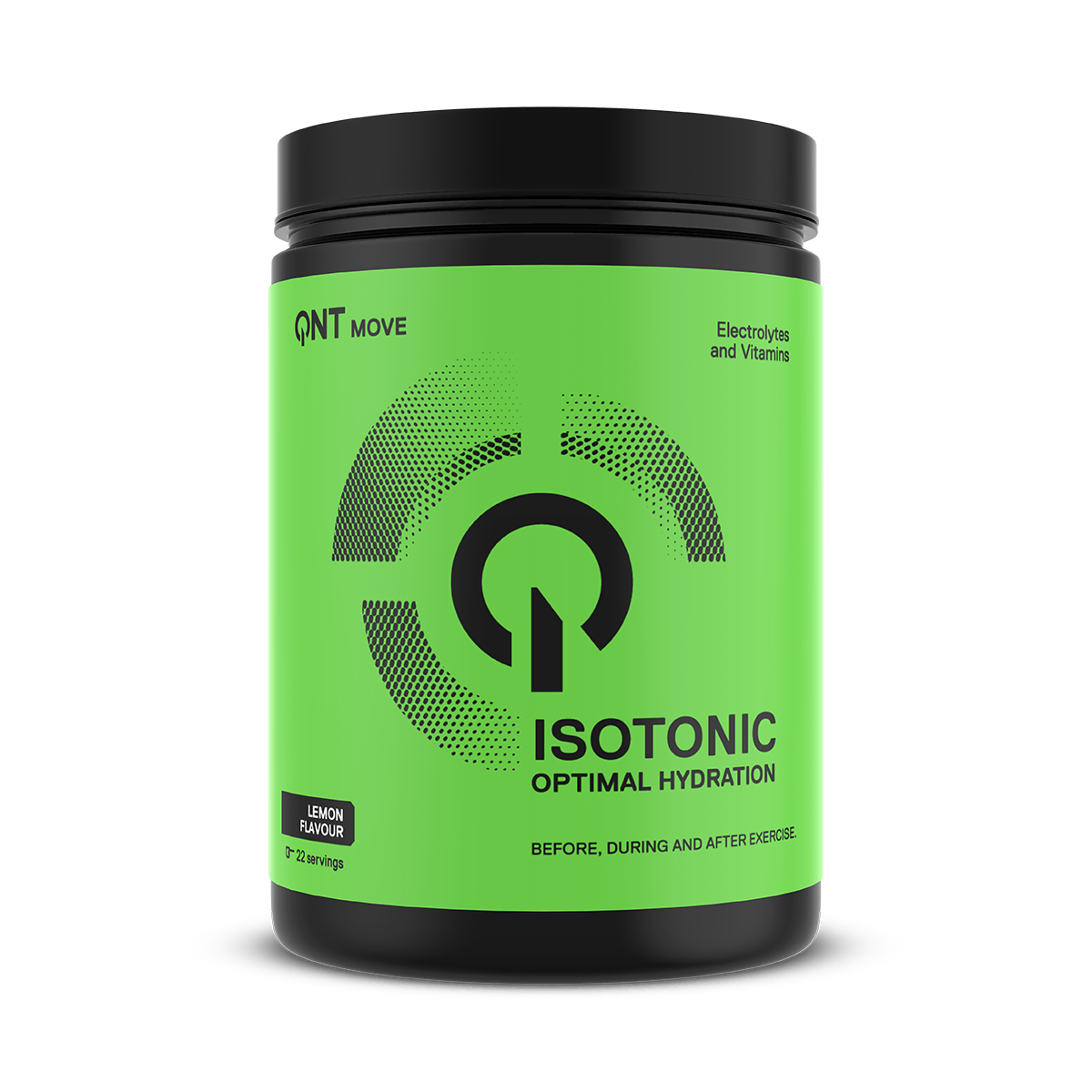
Save 15% QNT Isotonic Powder lemon 660 g, isotonic endurance drink powder
Sale price12,75 € Regular price15,00 €
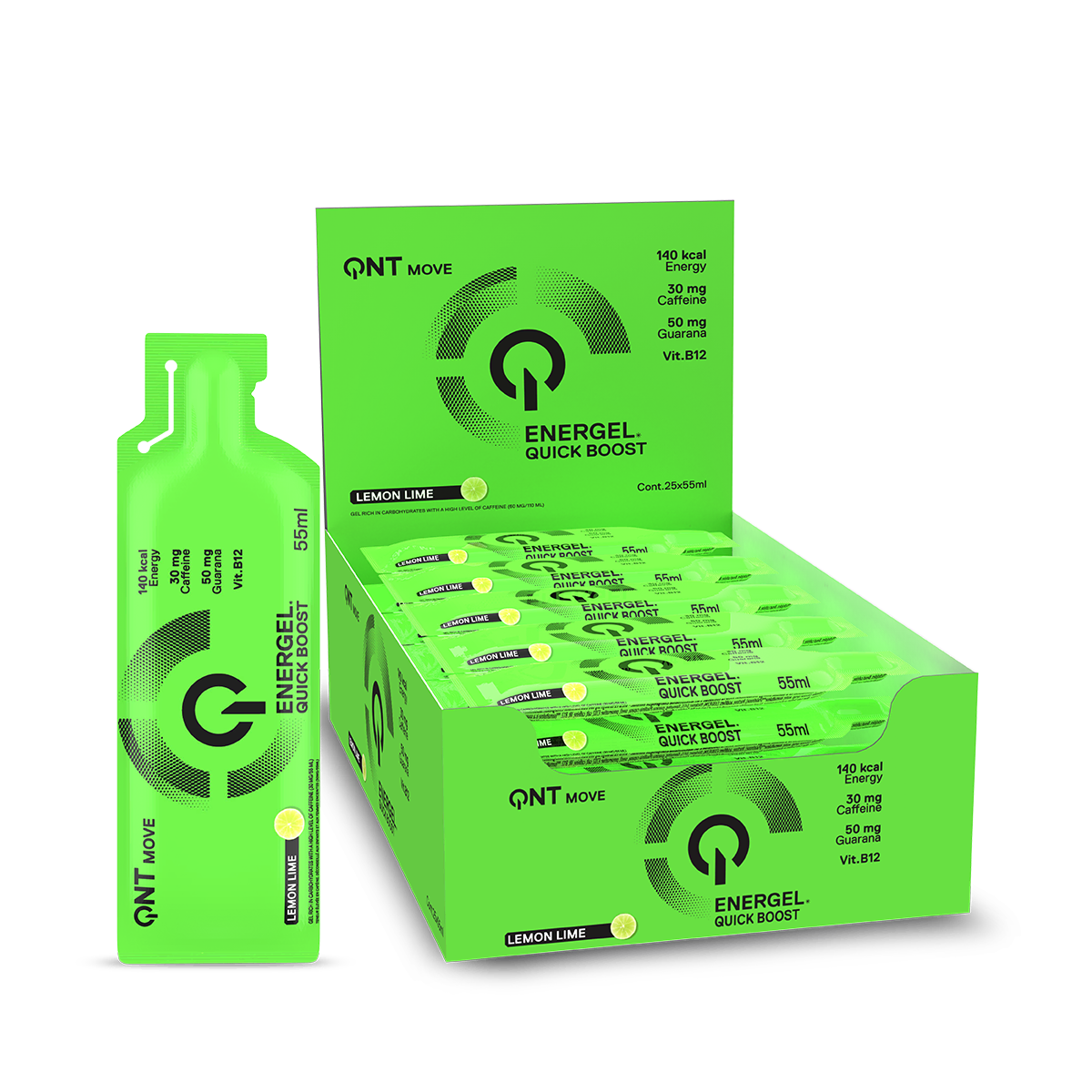
Save 10% QNT Gel énergétique Energel Quick Boost lemon 55 ml, pre-workout
Sale price45,00 € Regular price50,00 €
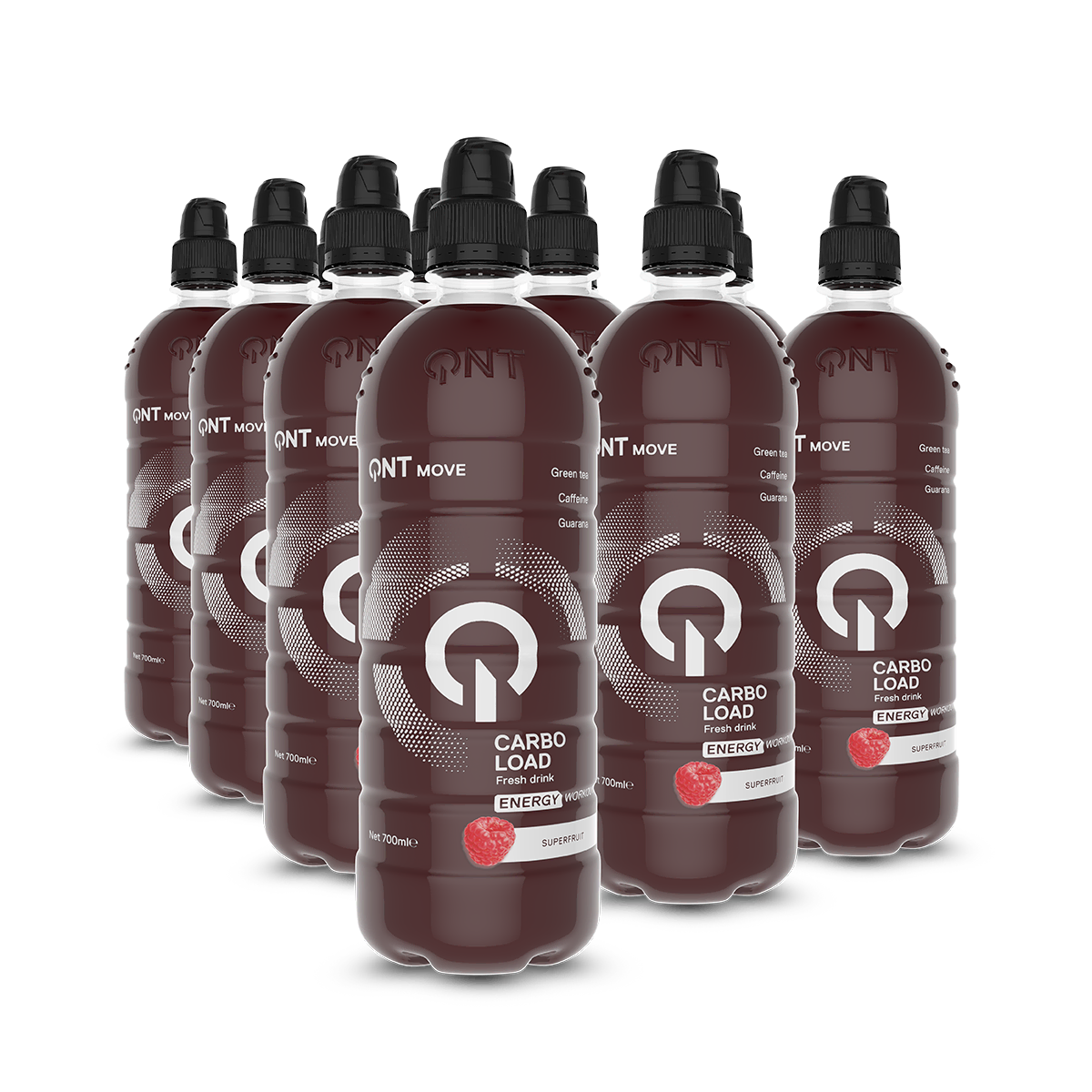
Save 10% QNT Carbo Load 700 ml, isotonic endurance drink
Sale price27,00 € Regular price30,00 €
Filters
Sort by
Price
to
Endurance nutrition: energy, hydration and electrolytes

What endurance nutrition actually means

Once an effort runs past the hour mark (a bike ride, a run, a trail outing, a triathlon), your body starts drawing on its glycogen stores, sweats, and loses both water and electrolytes. Endurance nutrition is the strategy that lets you go the distance without hitting a slump: supplying carbohydrates for energy, fluids for hydration, and sodium to replace what you lose through sweat.

Our Endurance range covers the three key demands of long efforts:

  • Carbohydrates: Carbo Load and Energel Quick Boost to top up your energy.
  • Hydration and electrolytes: the Isotonic drink to drink and remineralise at the same time.
  • Convenience: powder to mix into your bottle, or a gel that slips easily into a pocket.

The aim is simple: hold your pace from start to finish, push back fatigue, and avoid the dreaded bonk (the "wall") that wrecks a ride or a race.

How many carbs per hour during your effort?

This is the central question for every endurance athlete. The widely accepted benchmark: 30 to 60 g of carbohydrates per hour once you go beyond an hour of effort, and up to 90 g per hour on the very long formats (gran fondo, marathon, ultra) when your stomach is trained to tolerate them.

Our products make it easy to hit that intake:

  • Carbo Load: a ready-to-drink carbohydrate energy drink, handy for structuring your hourly intake straight from the bottle.
  • Energel Quick Boost: a portable energy gel, ideal for a fast carbohydrate hit mid-effort with nothing to prepare.

The smart habit: spread your carbs out steadily rather than taking everything at once. A dose every 20 to 30 minutes is often easier on digestion. Match the amount to the intensity, the duration and your own tolerance: the longer and harder the effort, the higher and more regular your intake should be.

Isotonic drink and electrolytes: hydration during the effort

Plain water hydrates, but it replaces neither the electrolytes (sodium, potassium, magnesium) nor the carbohydrates you burn through during a long effort. That is where an isotonic drink comes in: its concentration is close to that of your body fluids, which helps your body take up water and nutrients quickly.

QNT's Isotonic brings together in a single drink:

  • carbohydrates to support energy,
  • sodium and minerals to replace what you lose through sweat,
  • effective hydration, without the heavy feeling of an over-sugary drink.

Sodium deserves special attention: it is the electrolyte you lose most through sweat, especially in the heat. A drink that supplies it helps you maintain a sound fluid balance and supports muscle comfort over prolonged efforts. On volume, aim for regular sips rather than one large amount, so you stay hydrated without overloading your stomach.

Gel, isotonic drink or Carbo Load: which format should you choose?

The three products in the range are not rivals, they work together. You have two drinks to sip (the Isotonic powder you mix in your bottle and the ready-to-drink Carbo Load) plus one portable gel. The right pick comes down to your sport and your logistics.

  • Isotonic (powder to mix): your hydration and energy base. Drop it into your bottle or flask and drink at regular intervals. Ideal for cycling (bottle within reach) and on any long outing. This isotonic powder is the easy entry point.
  • Carbo Load (ready-to-drink carbohydrate beverage): for when you want to maximise your carbohydrate intake before or during an intense effort, straight from the bottle with nothing to prepare.
  • Energel Quick Boost (gel): the portable format par excellence. Perfect for running, trail or the closing stretch of a gran fondo, when you need a quick lift without stopping.

A common strategy: the Isotonic drink as your hydration backbone across the whole effort, topped up with a gel at the key moments (climbs, the end of a race, a dip in pace). That way you combine digestive comfort, hydration and energy peaks at the right time.

For a lift late in a long effort, some athletes also turn to caffeine: a Guarana Kick shot delivers a boost of energy and focus when fatigue sets in. Test it in training first and keep the dose measured.

Before, during, after: structuring your outing

Good endurance nutrition plays out in three phases.

Before: make sure you start with full stores. A carbohydrate-rich meal a few hours ahead, then optionally a top-up with Carbo Load to stock up right before a long or intense effort.

During: this is where it all happens. Drink your Isotonic drink regularly for hydration and electrolytes, and back it up with an Energel Quick Boost gel to keep your carbohydrate intake going. The idea is never to wait until you feel hungry or thirsty: you stay ahead of it to head off the slump.

After: the window right after the effort is prime time for recovery. Rebuilding your carbohydrate stores and rehydrating properly helps you come back fresher for your next session. On very long or back-to-back efforts, pairing carbohydrates with protein, for instance with amino acids, is a useful complement to this recovery phase.

In short: full stores at the start, steady intake during, rehydration afterwards. It is that consistency, more than raw quantity, that makes the difference over the long haul.

Heading off the bonk and cramps

Two classic enemies of the long effort: the bonk (the "wall") and cramps.

The bonk hits when your glycogen stores run dry and your carbohydrate intake has not kept up: heavy legs, a sudden drop in pace, a struggle to hold your speed. The fix is simple: start fuelling early and regularly, without waiting for the crash. Carbo Load and Energel Quick Boost are built for exactly this kind of steady energy supply.

Cramps have several causes (fatigue, intensity, dehydration). On long efforts and in the heat, enough hydration plus an intake of electrolytes, sodium included, supports muscle comfort. The Isotonic drink helps you remineralise as the effort goes on.

One last pro tip: test your nutrition in training, never on race day. Gradually getting your stomach used to drinking and digesting during effort (what is known as gut training) is the best way to avoid nasty surprises on the day.

Which athletes and which sports?

The Endurance range is for anyone whose sessions run past the hour and tax the body over time:

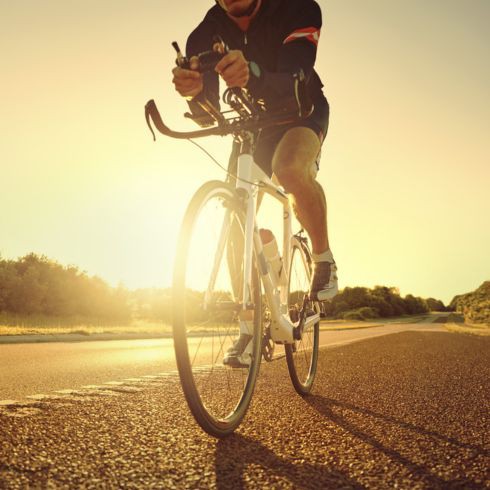
  • Cyclists and gran fondo riders: the bottle filled with Isotonic is the natural reflex, topped up with a gel on the long distances and the climbs. Solid fuelling is part of better cycling performance.
  • Runners and trail runners: the Energel Quick Boost gel slips into a pocket for a fast hit, and the Isotonic drink supports hydration.
  • Triathletes and endurance-sport athletes: combine all three products according to the phases of your discipline.

It suits the regular athlete chasing a first goal (a 10K, a first sportive) just as well as the competitor looking to fine-tune performance. The principle stays the same whatever your level: the longer the effort, the more decisive a strategy of carbohydrate, fluid and electrolyte intake becomes. Pick the format that fits your sport, test it in training, and you will take on your outings and races with the energy you need, from the first kilometre to the last.

Frequently Asked Questions

Your health and results are our top priority. This FAQ answers the essential questions about QNT products, so you know exactly what you’re buying and how they support your goals.

What is the difference between an isotonic, hypotonic and hypertonic drink?

The difference is the concentration of sugars and minerals compared with your body fluids. An isotonic drink sits close to that concentration, so you take up water and carbohydrates together. A hypotonic drink is more diluted and favours fast hydration, while a hypertonic one is more concentrated and mainly supplies energy.

From what duration of effort is an isotonic drink actually worth it?

Below an hour, plain water is usually enough for a moderate effort. An isotonic drink really earns its place beyond around 60 minutes, or sooner in the heat or at high intensity, when losses of water, sodium and carbohydrates start to add up.

Should you take an energy gel with water?

Yes, it is recommended. A gel is concentrated in carbohydrates, and taking it with a few sips of water makes it easier to digest and absorb. Avoid washing it down with a large amount of very sugary drink at the same time, so you do not overload your stomach mid-effort.

How do you train your stomach to eat and drink during effort?

This is known as gut training. Introduce your carbohydrates and your isotonic drink gradually on your training rides and runs, slowly raising the amount per hour. Always test your products in training, never on race day, so your digestion gets used to them without nasty surprises.