











Carb cycling: the complete guide to losing fat and keeping muscle
Table of contents
Last updated: March 31, 2026
Tired of diets that strip away your hard-earned muscle along with the fat? According to the ISSN, multiple dietary approaches can effectively improve body composition, as long as protein intake is adequate (Aragon et al., 2017). Carb cycling is one of the most practical. Here's how to get lean without sacrificing your strength.
What is carb cycling?
Carb cycling alternates your carbohydrate intake between high, moderate, and low days depending on your training schedule. On intense training days, you eat more carbs. On rest days, you reduce them to promote fat burning.
Unlike a constant low-carb diet, carb cycling leverages the best of both worlds: performance benefits of carbohydrates and fat-burning advantages of carb restriction.
How does carb cycling work?
1. Glycogen manipulation: High-carb days replenish muscle glycogen for better workouts and muscle protein synthesis.
2. Enhanced fat oxidation: Low-carb days force your body to rely on fat stores. Research suggests 10-20% more fat oxidation vs constant deficit.
3. Improved insulin sensitivity: Low days improve insulin sensitivity, so high-day carbs go to muscles, not fat storage.
The ISSN confirms macronutrient periodization is valid with resistance training and adequate protein (Aragon et al., 2017).
Benefits for body composition
- Accelerated fat loss: Deficit concentrated on low days maximizes fat mobilization
- Muscle preservation: High days stimulate insulin (anabolic) + protein at 1.4-2.0 g/kg/day (Jäger et al., 2017)
- Better adherence: High-carb days reduce cravings
- Maintained performance: Glycogen available for intense sessions
How to calculate your macros
Step 1: Estimate TDEE, apply 15-25% weekly deficit (Helms et al., 2014)
Step 2: Set protein at 1.8-2.2 g/kg daily (constant), supported by (Morton et al., 2018)
Step 3: Cycle carbs: High (3-5 g/kg), Moderate (1.5-2.5 g/kg), Low (0.5-1 g/kg)
7-day plan: Cutting example (80 kg)
| Day | Type | Training | Carbs | Protein | Fats | Kcal |
|---|---|---|---|---|---|---|
| Mon | High | Legs | 320g | 170g | 50g | 2,410 |
| Tue | Low | Rest | 60g | 170g | 85g | 1,705 |
| Wed | Mod | Chest+tri | 180g | 170g | 65g | 2,005 |
| Thu | High | Back+bi | 320g | 170g | 50g | 2,410 |
| Fri | Low | Rest/cardio | 60g | 170g | 85g | 1,705 |
| Sat | Mod | Shoulders | 180g | 170g | 65g | 2,005 |
| Sun | Low | Rest | 60g | 170g | 85g | 1,705 |
QNT products to support your carb cycling
- Metapure Whey Isolate Zero: 90% pure protein for daily targets
- L-Carnitine 3000: Support fat oxidation on low days
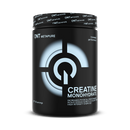
- QNT Creatine Monohydrate: Protect strength during deficit
- BCAAs: Support fasted training on low days
Common mistakes
- Ignoring weekly calorie balance
- Cutting protein on high-carb days
- Going too extreme on low days (<30g)
- Misaligning carbs and training intensity
- Expecting results in 1 week (allow 4-8 weeks)
By the QNT Sport Team, over 30 years of sports nutrition expertise. Made in Belgium since 1992.
References
- Aragon et al. (2017). ISSN position stand: diets and body composition. Journal of the International Society of Sports Nutrition. DOI
- Helms et al. (2014). Evidence-based recommendations for natural bodybuilding contest preparation. Journal of the International Society of Sports Nutrition. DOI
- Morton et al. (2018). A systematic review and meta-analysis of protein supplementation effects on lean mass and strength. British Journal of Sports Medicine. DOI
- Jäger et al. (2017). ISSN position stand: protein and exercise. Journal of the International Society of Sports Nutrition. DOI
- Examine.com: Carb Cycling