









Supplements and Mental Performance: 7 Ingredients That Act on the Athlete's Brain
Table of Content
- ⚕️ medical disclaimer
- Why cognitive function is essential to performing at the highest level
- The 7 supplements for mental performance in athletes
- Summary: mechanism, level of evidence and expected effect
- How to organise these intakes across a day
- Lifestyle comes first
- Qnt's honest scope
- When to see your doctor
- The other qnt products that support performance
- Faq
- Conclusion
By the QNT Sport team
Last updated: 28 July 2026
Mental performance is no longer a blind spot in elite sport. Attention routines, cognitive load management, sleep tracking, work with a mental skills coach: these practices have spread widely, from professional set-ups down to demanding amateur athletes, and the research has followed the same path. One question keeps coming back to us: which supplements for mental performance genuinely support the athlete's brain, and on what physiological basis?
A point of vocabulary is needed before going any further, because the two terms are constantly confused. The word "mental" belongs to psychology: motivation, mindset, mental preparation. The brain is something else. It is an organ, with a metabolism, with substrate and micronutrient requirements, and its function shifts with its physiological state. This article is not about mental preparation or sports psychology. It deals with one precise question: what the literature documents about the physiological effects of certain supplements on brain function and on the athlete's cognitive capacities.
The link with physical performance, meanwhile, is direct and measurable. In a crossover trial published in the Journal of Applied Physiology, 16 volunteers in regular aerobic training completed a cycling test to exhaustion after 90 minutes of a demanding cognitive task, or after watching a neutral documentary. Following the cognitive task, they reached exhaustion roughly 15% sooner. At matched exercise duration, none of the cardiorespiratory and metabolic variables measured were affected by mental fatigue: only the perception of effort was significantly higher (Marcora et al., 2009). The body could still go on. What had changed was the brain's appraisal of the effort.
After more than 30 years in sports nutrition, QNT takes stock of what the literature actually says, limits included, and without overselling.
⚕️ Medical disclaimer
This article is for information purposes. It does not replace advice from a healthcare professional. Before starting any supplement, speak to your doctor, particularly if you take medication, if you have sleep problems, anxiety or a chronic condition, or if you are pregnant or breastfeeding. Caffeine and certain active ingredients can interact with medicines. Self-medication is not advised.
Why cognitive function is essential to performing at the highest level

Mental performance and physical performance are readily set against one another. On the ground, the distinction holds up poorly: cognitive function is an integral part of performance. Making the right call in a fraction of a second, holding technique together as fatigue sets in, adjusting pace, overriding the urge to slow down, all of this rests on measurable cognitive functions, namely sustained attention, processing speed, executive control and working memory.
The body of work stemming from Marcora's line of research has above all characterised one mechanism: mental fatigue increases the perception of effort. At identical power output, exercise feels harder and stopping comes sooner, without muscular or cardiorespiratory capacity being impaired. A systematic review of 11 studies confirmed that pattern for endurance efforts. It concludes, by contrast, that maximal strength, power and anaerobic work are not affected by mental fatigue (Van Cutsem et al., 2017). Mental fatigue does not make you weaker, then: it changes what the effort costs you to endure.
It should be added that a tired brain works less well across the board, and not only on the perception of effort. The quality of situational analysis, the interpretation of internal signals and the constant trade-off between pushing and preserving all degrade together. The same sensation of heavy legs will be read more negatively, which can steer an athlete towards a defeatist attitude and an early decision to stop, when physical capacity is in fact intact.
The brain, an energy-hungry organ
The brain accounts for around 2% of body mass but takes up close to 20% of resting energy expenditure, essentially in the form of glucose. Relative to its mass, it is one of the most expensive organs in the human body.
That expenditure is not an accounting detail, it is a constraint. Performance simultaneously raises the body's energy requirements and the demand placed on the nervous system: during effort, the brain has to coordinate motor command, integrate sensory afferents, contribute to thermoregulation, modulate pain and arbitrate continuously. Substrate availability, and the capacity to mobilise it, then become critical parameters.
This is where nutrition comes in, and it is worth naming things correctly. There is no separate "brain nutrition", any more than there is such a thing as "muscle nutrition". What exists are nutrients whose physiological role is particularly engaged in the functioning of a given organ or function. For the nervous system, these include the long-chain fatty acids that make up neuronal membranes, the B vitamins involved in neurotransmitter synthesis and energy metabolism, magnesium and zinc, which modulate synaptic excitability, and the substrates of rapid ATP regeneration.
The 7 supplements for mental performance in athletes

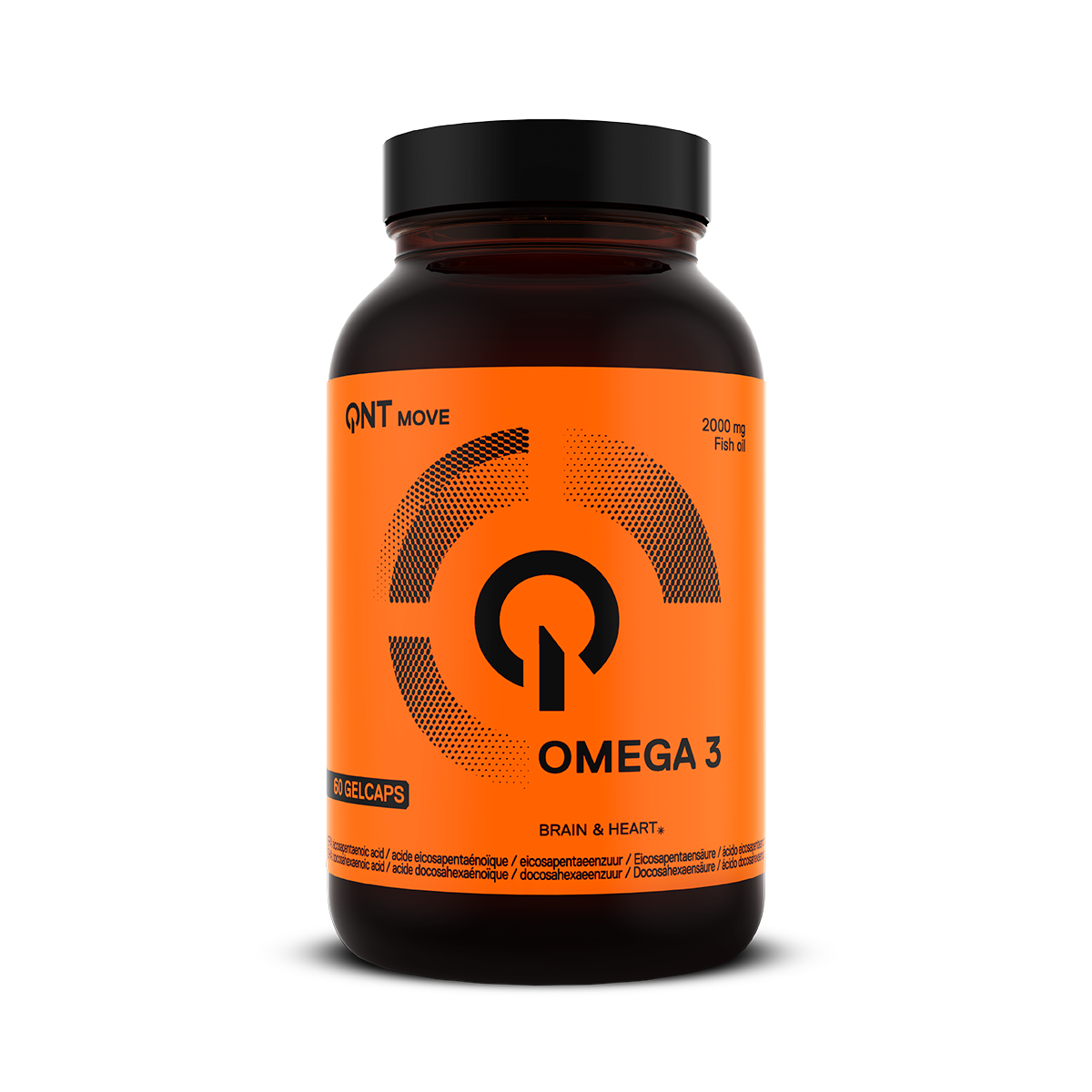
1. Long-chain omega-3 (EPA and DHA): a structural role in the neuronal membrane
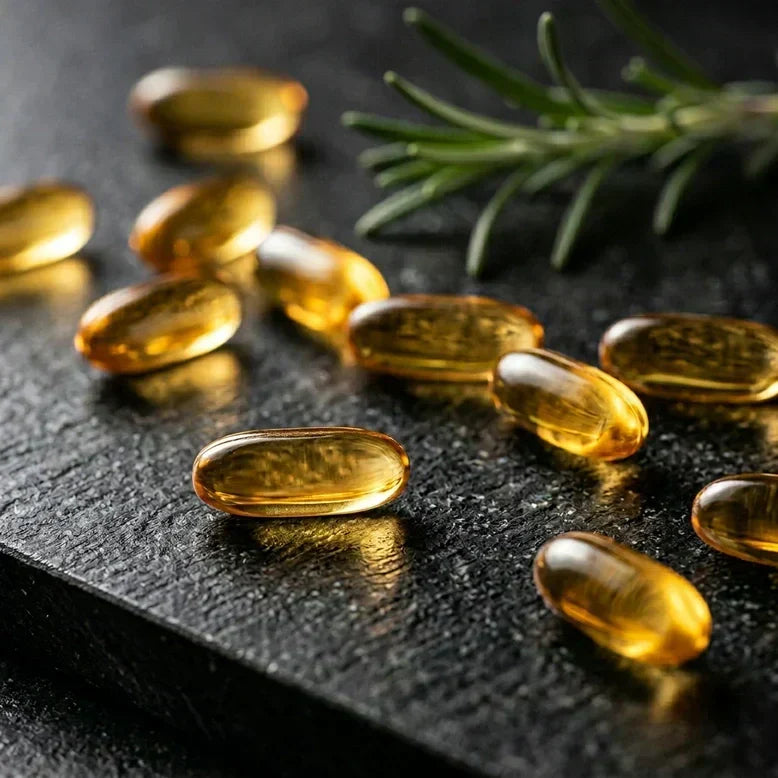
DHA, or docosahexaenoic acid, is the most abundant polyunsaturated fatty acid in the central nervous system. It concentrates particularly in synaptic membranes. Its presence in the phospholipid bilayer alters the physical properties of the membrane: fluidity, curvature, organisation of lipid microdomains. Those properties in turn condition the behaviour of the proteins embedded in it, notably the receptors and transporters involved in synaptic transmission. Dietary intake directly influences this membrane composition, which explains why the effects of supplementation take several weeks to establish themselves.
The second axis concerns inflammation. EPA and DHA are the precursors of specialised lipid mediators, the resolvins and protectins, involved in the resolution phase of the inflammatory response; their incorporation into membranes also reduces the availability of arachidonic acid, precursor of pro-inflammatory mediators. Clinically, what has been demonstrated needs separating from what remains a working hypothesis. A review devoted to omega-3 applications in sport reports that several studies show a benefit of supplementation on recovery from eccentric, muscle-damaging exercise. The same authors make clear that the anti-inflammatory argument rests mainly on mechanistic data, and that the evidence available in athletic populations remains insufficient with regard to muscle mass outcomes (Philpott, Witard and Galloway, 2019). Put another way: the recovery benefit is documented, while modulation of inflammation remains a plausible mechanism rather than an established clinical result.
Why seek to modulate that inflammation at all? An important clarification: post-exercise inflammation is not a phenomenon to be suppressed. It is an integral part of the adaptation signal, and blunting it systematically would be counterproductive. The problem appears when it drags on or accumulates, typically during periods of high training load, closely spaced competitions or insufficient recovery. An inflammatory response that resolves properly shortens the recovery window between two demanding sessions, protects sleep quality and limits the state of general fatigue in which cognitive function deteriorates. The effect on cognition is therefore indirect, and it should be presented as such.
What the studies show, and what it means in practice. Supplementation protocols in athletes most often use 1,000 to 2,000 mg per day of combined EPA and DHA, over periods of at least 4 to 8 weeks, the time it takes for membrane composition to change. The reference intake adopted at European level for the general adult population is 250 mg per day of EPA plus DHA. If you eat little oily fish, aiming first for that reference intake through food is a sensible base, with supplementation topping it up where needed. Taking it during a meal containing fat improves absorption. To go further on this ingredient, see our guide to omega-3 for athletes.
2. Creatine: an energy substrate for the neuron too
The brain, like muscle, has a phosphocreatine and creatine kinase system. That system does not produce energy: it buffers its availability. Phosphocreatine hands its phosphate group to ADP to regenerate ATP within milliseconds, far faster than glycolysis or oxidative phosphorylation. In the neuron, this buffer is called on most heavily where energy demand is intense and fluctuating: maintenance of ion gradients by the sodium-potassium ATPase pumps, synaptic recycling, axonal transport.
The hypothesis that follows is a precise one, and that is what makes it testable. Creatine should not improve cognition in a rested, well-supplied brain: it should instead limit the decline in cognitive performance when the brain's energy system is placed under strain. That is broadly what the data show. A systematic review of six randomised controlled trials in healthy subjects, including young and older adults as well as vegetarians and omnivores, concludes that supplementation has a favourable effect on short-term memory and on certain reasoning tasks, with inconclusive results for long-term memory, attention and processing speed (Avgerinos et al., 2018). The authors note that cognitive performance remained unchanged in young individuals: the benefit is concentrated in older adults, in subjects placed under constraint such as sleep deprivation, and in those whose dietary creatine intake is low, vegetarians in particular. That is consistent with the mechanism: you are filling a deficit in reserves rather than raising an already optimal capacity.
For the athlete, the relevant situation is therefore one of high training load, competition travel and shortened nights, far more than an ordinary well-slept day.
What the studies show, and what it means in practice. Cognitive trials use doses comparable to those of sports nutrition, that is 3 to 5 g per day of creatine monohydrate, sometimes preceded by a loading phase of 20 g per day split into four doses for 5 to 7 days. The International Society of Sports Nutrition position stand adopts these same protocols for saturating stores (Kreider et al., 2017). It is the level of saturation, achieved through consistency, that determines the effect, and not the time of day you take it. QNT recommendation: QNT Creatine Monohydrate or our full creatine range. Further reading: our creatine monohydrate guide and our advice on hydration and creatine. Independent reference: Examine.com on creatine.
3. Vitamins B6, B9 and B12: cofactors of neurotransmission and energy metabolism
These three vitamins do not act as stimulants. They are cofactors, meaning molecules without which certain enzymatic reactions do not take place, or take place poorly. The distinction matters for understanding what can reasonably be expected of them.
Vitamin B6, in its active form pyridoxal-5-phosphate, is the cofactor of the decarboxylases that convert precursor amino acids into neurotransmitters: 5-HTP into serotonin, L-DOPA into dopamine, glutamate into GABA. It is also involved in glycogen metabolism and in haem synthesis.
Vitamin B9, as folate, and vitamin B12, as cobalamin, sit at the heart of one-carbon metabolism. B12 is the cofactor of methionine synthase, the enzyme that remethylates homocysteine into methionine using a methyl group supplied by a folate derivative. Methionine is then converted into S-adenosylmethionine, the body's universal methyl donor, involved in the methylation of DNA, of membrane phospholipids and of several neurotransmitters. Insufficient B9 or B12 intake slows this cycle, drives homocysteine up and reduces the availability of methyl groups, two parameters associated in observational studies with poorer cognitive function.
The practical consequence is clear, and it is worth stating without ambiguity: insufficient intake degrades these functions, but additional intake beyond meeting requirements brings no demonstrated cognitive benefit in a person who is not deficient. The European regulatory framework reflects exactly that logic. Regulation EU 432/2012 authorises the claims that vitamins B6, B9 and B12 contribute to normal psychological function, to the normal functioning of the nervous system and to the reduction of tiredness and fatigue. The wording is about contributing to normal function, not about improving it beyond that.
Athletes are concerned for a simple reason: high energy expenditure increases their requirements for B vitamins, several of which act directly in the ATP production pathways. Certain practices, such as prolonged calorie restriction, a monotonous diet, or the exclusion of animal products in the case of B12, additionally expose them to insufficient intakes.
What it means in practice. The objective is to meet European reference intakes, primarily through a varied diet. Supplementation is justified where intakes are insufficient, where a diet excludes whole food groups, or where requirements are increased, ideally after professional advice. There is no documented interest in megadosing these vitamins in someone whose status is already adequate. Recommendation: our QNT vitamins and minerals range.
4. Magnesium: regulating neuronal excitability and sleep quality
Magnesium is the cofactor of more than 300 enzymatic reactions, including every reaction that involves ATP. It is in fact the magnesium-ATP complex that constitutes the substrate for kinases and ATPases, and not free ATP: without magnesium, the cell's energy currency is unusable.
Neurologically, its best-characterised role is the voltage-dependent block of the NMDA glutamate receptor. Under resting conditions, the magnesium ion physically occupies the channel and limits calcium entry into the neuron; it is expelled only when the membrane depolarises sufficiently. This mechanism acts as a filter against excessive excitation and takes part in regulating neuronal tone. Magnesium is also involved in the regulation of the hypothalamic-pituitary-adrenal axis and in melatonin metabolism.
On sleep, the data exist but their scope has to be stated precisely. A randomised placebo-controlled trial run over eight weeks in 46 older adults with insomnia reported improvements in sleep time, sleep efficiency and sleep onset latency after supplementation, along with a rise in serum melatonin and a fall in morning cortisol (Abbasi et al., 2012). Three limits to keep in mind: an older, insomniac population, a small sample, and above all a dose of 500 mg per day of elemental magnesium, double the European safety limit for supplemental intake. That result does not extrapolate to a young, healthy athlete, and it does not underpin the range indicated below.
What nonetheless makes the topic relevant is that sleep is the main determinant of cognitive recovery. Sleep debt degrades sustained attention and executive control well before it affects maximal strength. Under Regulation EU 432/2012, magnesium contributes to normal psychological function, to the normal functioning of the nervous system and to a reduction of tiredness and fatigue.
What the studies show, and what it means in practice. Clinical protocols use variable doses, often 300 to 500 mg per day of elemental magnesium. European reference intakes sit at around 375 mg per day, food included. In practice, a supplemental 200 to 400 mg per day of elemental magnesium, in a form that is well tolerated digestively such as bisglycinate, is enough to secure coverage of requirements. Evening intake is often preferred, although the timing has never been the object of a solid demonstration. Recommendation: available in our QNT vitamins and minerals range.
5. Caffeine: adenosine receptor antagonism and vigilance
Caffeine's mechanism is one of the best established in the whole of sports nutrition. Adenosine builds up in the brain over the waking hours and with neuronal activity, and binds to its A1 and A2A receptors, where it exerts an inhibitory effect: it reduces the release of several neurotransmitters and contributes to building sleep pressure. Caffeine, structurally close to adenosine, binds to those same receptors without activating them. It therefore lifts an inhibition, which increases the availability of dopamine and noradrenaline in the circuits of alertness and motivation. The point to remember: it supplies no energy whatsoever, it temporarily masks a fatigue signal.
That is precisely what makes it interesting here, provided we stay precise about what is actually established. The International Society of Sports Nutrition position stand concludes that a low to moderate dose, in the region of 3 to 6 mg per kilogram of body weight, is ergogenic for sustained maximal endurance exercise and enhances vigilance, including during sustained sleep deprivation (Goldstein et al., 2010). The 30 to 60 minute window before exercise corresponds to the protocols used in the studies cited and to common practice, but it is not the object of a formal recommendation in that document. Given the mental fatigue mechanism described above, supporting vigilance late in a session is not a cosmetic detail: it is a lever on the moment at which an athlete decides to stop.
Three limits deserve to be set out. Individual response varies considerably, partly according to the polymorphism of the CYP1A2 gene, which codes for the liver enzyme responsible for degradation. Tolerance builds within a few days of regular intake and dulls some of the subjective effects. Finally, caffeine's half-life is in the region of 4 to 6 hours in adults, which means that taking it late in the day measurably degrades sleep, and therefore the next day's cognitive recovery.
What the studies show, and what it means in practice. The protocols adopted by the ISSN use 3 to 6 mg per kilogram, that is roughly 210 to 420 mg for a 70 kg athlete, 30 to 60 minutes before exercise. EFSA considers that single doses of up to 200 mg and a total intake of up to 400 mg per day raise no safety concern for healthy adults, outside of pregnancy. It seems sensible to start at the low end of the range in order to gauge your individual tolerance, and to avoid any intake in the six hours before bedtime. Recommendation: our QNT pre-workout formulas with calibrated caffeine.
6. L-theanine: modulating the stimulant effect rather than amplifying it
L-theanine is a non-proteinogenic amino acid found almost exclusively in tea. It crosses the blood-brain barrier and is structurally analogous to glutamate, which allows it to interact weakly with glutamatergic receptors and to modulate GABAergic transmission. Electroencephalography studies report an increase in alpha wave activity, a profile associated with a state of relaxed alertness.
The main documented benefit is not that of L-theanine on its own, but that of its combination with caffeine. Several double-blind controlled trials, run in healthy young adults on attention tasks, report that the combination improves sustained attention and the ability to switch from one task to another more than caffeine alone, while blunting the rise in subjective tension and jitteriness associated with caffeine. Let us be transparent about the level of evidence: sample sizes in these studies are modest and the protocols heterogeneous, which places this combination a notch below caffeine or creatine in terms of how solid the data are.
For athletes, the practical question mainly arises with a pre-workout dosed high in caffeine, in someone who is sensitive to it, or before a session that calls for technical precision rather than sheer intensity.
What the studies show, and what it means in practice. Protocols most often use 100 to 200 mg of L-theanine, paired with a caffeine dose in a ratio close to 1:1 to 2:1. If you tolerate caffeine well on its own, adding it has no demonstrated benefit. It becomes relevant if jitteriness or restlessness limits your use of a pre-workout.
7. Zinc: neuromodulation and synaptic plasticity
Zinc is present at high concentration in the brain, particularly in the synaptic vesicles of a subset of glutamatergic neurons in the hippocampus and the cortex. There it is co-released with glutamate and modulates the activity of NMDA and GABA-A receptors, which gives it a genuine neuromodulator role. To this can be added its cofactor role for several hundred enzymes and its structural function in the zinc finger motifs that govern gene expression. These mechanisms are involved in long-term potentiation, the cellular substrate of memory and learning.
For athletes, two elements justify the attention paid to this mineral: sweat losses increase with training volume and heat, and low-calorie or monotonous diets expose them to insufficient intakes. As with the B vitamins, the objective is to cover the requirement, not to overload. Regulation EU 432/2012 recognises that zinc contributes to normal cognitive function.
One precaution is worth knowing: a high and prolonged zinc intake interferes with copper absorption and can, over time, induce copper deficiency.
What it means in practice. European reference intakes sit at around 10 mg per day, and the upper safety limit set by EFSA is 25 mg per day for adults, dietary intake included. A supplemental 10 to 15 mg per day is therefore amply sufficient to secure coverage, and there is no reason to exceed that upper limit on a lasting basis without medical advice. Recommendation: available in our QNT vitamins and minerals range.
Summary: mechanism, level of evidence and expected effect
| Supplement | Physiological mechanism | Documented effect | Level of evidence |
|---|---|---|---|
| Omega-3 (EPA/DHA) | Structural component of neuronal membranes; precursors of the mediators that resolve inflammation | Modulation of exercise-induced inflammation and muscle damage; indirect cognitive effect via recovery | Heterogeneous in trained athletes |
| Creatine | Phosphocreatine buffer for rapid ATP regeneration in the neuron | Short-term memory and reasoning, above all under constraint (sleep deprivation, low dietary intake) | Good, in healthy populations |
| Vitamins B6, B9, B12 | Cofactors of the decarboxylases (neurotransmitters) and of one-carbon metabolism (methylation) | Normal psychological function and reduction of tiredness and fatigue (EU 432/2012); no benefit beyond meeting the requirement | Solid for correcting a deficit |
| Magnesium | Mg-ATP substrate; voltage-dependent block of the NMDA receptor; stress axis and melatonin | Normal psychological function, nervous system, tiredness and fatigue (EU 432/2012); sleep markers in older adults with insomnia | Regulatory basis solid; sleep data in a targeted population |
| Caffeine | Antagonist of the adenosine A1 and A2A receptors | Vigilance and sustained maximal endurance at 3 to 6 mg/kg | High, in trained adults |
| L-theanine | Glutamatergic and GABAergic modulation; alpha wave activity | Sustained attention in combination with caffeine, with less jitteriness | Moderate, small samples |
| Zinc | Neuromodulator co-released with glutamate; enzyme cofactor; zinc fingers | Normal cognitive function (EU 432/2012) | Solid for correcting a deficit |
One point is worth repeating: none of these supplements "makes you smarter". They help support functions that your brain already performs, provided the foundations are in place. For five of the seven ingredients presented here, the expected benefit consists of correcting an insufficient intake, not of going beyond normal function.
How to organise these intakes across a day
The pointers below are orders of magnitude drawn from the literature, to be adapted to your own situation. They do not constitute a protocol to be applied as it stands.
Omega-3 are taken during a meal containing fat, which improves absorption; the time of day matters little. B vitamins fit naturally into breakfast. Creatine can be taken at any moment, since it is the level of store saturation, achieved through consistency, that determines its effect.
Caffeine finds its place 30 to 60 minutes before a demanding session, optionally paired with L-theanine if you feel the need for it. It is best avoided in the six hours before bedtime, so as not to degrade sleep and the following day's recovery.
Magnesium and zinc are often placed in the evening, away from sources of caffeine. That habit rests more on convenience than on any solid demonstration, and you can spread them out differently without any drawback.
On method, it is more informative to introduce one ingredient at a time, over several weeks, than to start everything together: you will then know what to attribute your observations to. Consistency counts for more than dose, because most of these effects settle in gradually.
Important: these ranges are indicative and drawn from the literature. They do not constitute a prescription. Do not start supplementing, especially if you are stacking several ingredients or taking medication, without having discussed it with your doctor or a healthcare professional, where appropriate after suitable testing.
Lifestyle comes first
No supplement compensates for insufficient sleep or an unbalanced diet. The most powerful levers for your brain remain free of charge: 7 to 9 hours of quality sleep, a varied diet rich in plants and quality protein, regular physical activity and active stress management. Supplements come in support of those foundations, to cover increased requirements or insufficient intakes, never in their place. The same holds for muscle recovery: see our advice on BCAAs and recovery and our BCAA range.
QNT's honest scope
Let us be transparent about what we do and what we do not do. QNT formulates sports nutrition supplements (creatine, vitamins and minerals, pre-workout, amino acids) that comply with AFSCA standards and with European regulations on food supplements. QNT does not sell pharmacological nootropics or cognitive "stacks" with therapeutic intent: that field belongs within a medical framework and is not part of our offering. Our role is to support the nutritional foundations of brain function with dosed, traceable products, not to promise a shortcut.
When to see your doctor
Seek medical advice, without waiting, if you have any of the following signs: persistent problems with concentration or memory, lasting anxiety or low mood, chronic sleep disturbance, palpitations or feeling unwell after taking caffeine, or any unusual symptom appearing after you start a supplement. Also seek advice before supplementing if you take medication (in particular psychotropic drugs, anticoagulants, or thyroid medication), if you are pregnant or breastfeeding, or if you are under 18. A cognitive or mood disorder is a matter for medical diagnosis, not for a supplement.
The other QNT products that support performance
- QNT Creatine Monohydrate and the creatine range: muscle and neuron share the same phosphocreatine system.
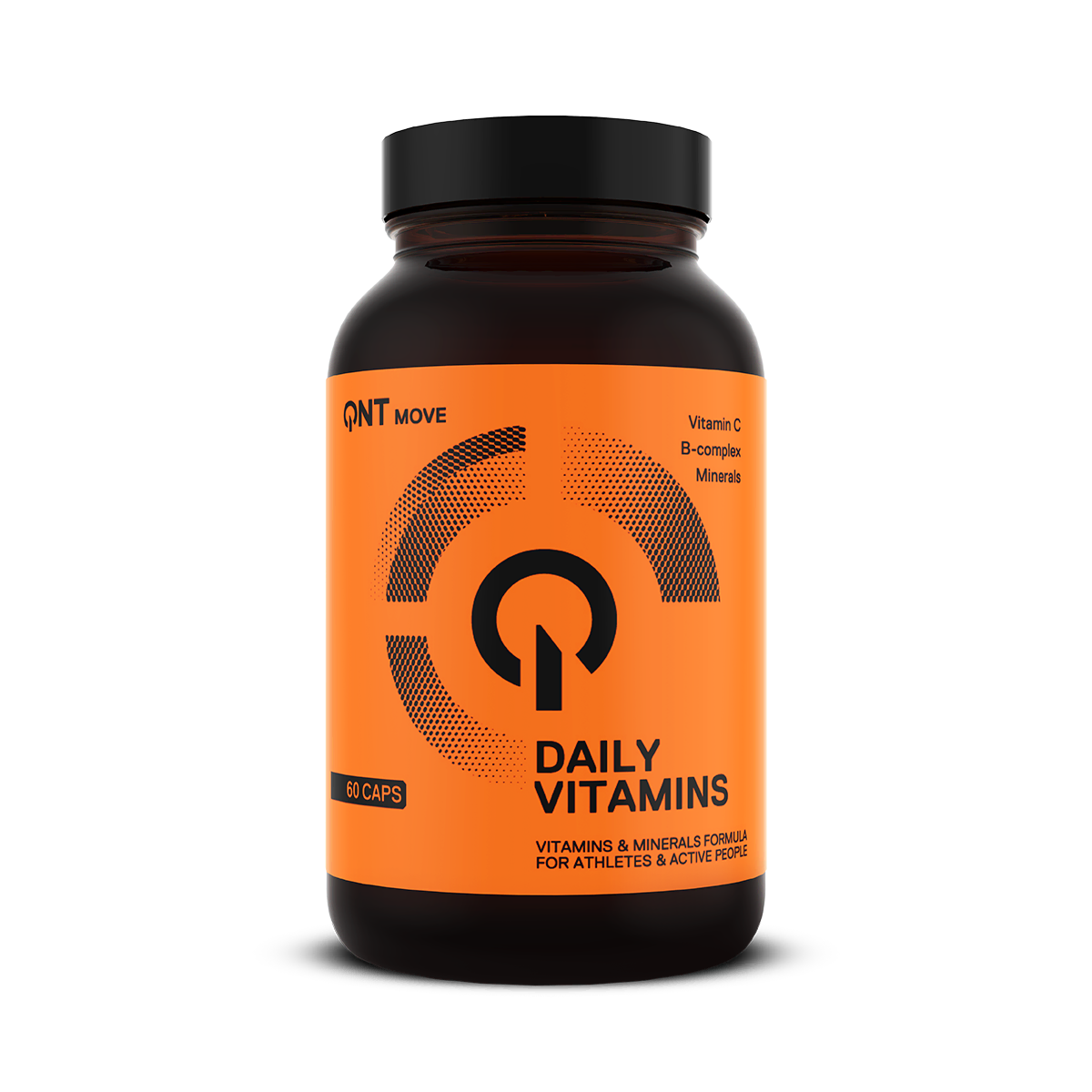
- QNT vitamins and minerals: B vitamins, magnesium, zinc.
- QNT pre-workout: calibrated caffeine.
- QNT BCAA: in support of recovery.
Made in Belgium since 1992. AFSCA and European regulatory compliance.
FAQ
Does creatine really improve cognition?
The data are modest but consistent with the mechanism. A systematic review of six randomised controlled trials in healthy subjects, young and older, vegetarian and omnivorous, concludes that there is a favourable effect on short-term memory and on certain reasoning tasks, with no conclusive result for attention, processing speed or long-term memory (Avgerinos et al., 2018). The effect is clearest when the brain's energy system is under strain, for example during sleep deprivation, or in subjects whose dietary creatine intake is low. This is not a stimulant: the effect is a background one and builds over several weeks of regular intake.
What are the best natural supplements for concentration?
No supplement works in isolation as a miracle solution, and it is better to know that before buying. The best documented ingredients for supporting an athlete's cognitive function are long-chain omega-3, creatine, vitamins B6, B9 and B12, magnesium, zinc, and caffeine combined with L-theanine. For five of them, the expected benefit consists of correcting an insufficient intake rather than going beyond normal function. Their real value depends first and foremost on the quality of your sleep, your diet and the way you manage your training load.
Can these supplements be combined with each other?
Several of these ingredients are commonly combined, with the caffeine plus L-theanine pairing being the most studied for attention. Being generally well tolerated at recommended doses does not remove the need for precautions: it is better to introduce ingredients one at a time, over several weeks, to respect the ranges indicated, and to seek medical advice if you take medication or are stacking several sources of caffeine. Take care with zinc as well, since a high and prolonged intake interferes with copper absorption.
How long do they take to work?
Timescales vary according to the mechanism, and that difference is instructive. Caffeine acts within 15 to 45 minutes, since it simply occupies receptors. Magnesium and the B vitamins are better judged over 2 to 4 weeks, the time it takes to restore nutritional status. Omega-3 often require 4 to 8 weeks, because what is being changed is the composition of neuronal membranes. Creatine needs one to a few weeks of continuous intake to saturate stores, or 5 to 7 days with a loading phase.
Are these supplements compatible with competitive sport?
The ingredients presented here, at the dosages indicated, are common nutrients and nutritional aids and do not appear on the list of substances prohibited in competition. QNT products comply with AFSCA standards and European regulations. If you are subject to anti-doping testing, always check the certification of your products with a dedicated body and with your federation, because the risk of cross-contamination concerns the supply chain, not the substance itself.
Do omega-3 play a role in memory?
DHA is the most abundant polyunsaturated fatty acid in the central nervous system and a structural component of synaptic membranes, whose fluidity, and therefore receptor function, it conditions. Clinically, the literature in athletes deals more with recovery from eccentric, muscle-damaging exercise than with memory itself, and the authors of that review make clear that the anti-inflammatory argument rests above all on mechanistic data (Philpott et al., 2019). The link with cognitive function is therefore structural and indirect, by way of recovery quality: the recovery benefit is documented, whereas modulation of inflammation remains a plausible mechanism rather than an established clinical result, and we do not present any of this as a demonstrated memory effect.
When is the best time to take them?
In practice: caffeine 30 to 60 minutes before exercise and never in the six hours before bedtime; magnesium and zinc in the evening, largely for convenience; omega-3 during a meal containing fat, for absorption; and creatine at any point in the day, since it is consistency and not timing that determines the saturation of stores. Only the timing of caffeine and the taking of omega-3 with a meal rest on a clear physiological justification.
Which supplements help with mental fatigue?
Mental fatigue is addressed first through sleep, nutrition and cognitive load management, because that is where the most powerful levers sit. On the micronutrient side, Regulation EU 432/2012 recognises that vitamins B6, B9 and B12 contribute to the reduction of tiredness and fatigue, that magnesium contributes to a reduction of tiredness and fatigue, and that all four contribute to normal psychological function. Caffeine can support vigilance on a one-off basis by lifting adenosine inhibition (Goldstein et al., 2010), but it masks the fatigue signal without correcting it. No supplement resolves persistent fatigue: if it lasts, speak to your doctor.
Does magnesium help with concentration and stress?
Magnesium blocks the NMDA glutamate receptor in a voltage-dependent manner, which limits excessive neuronal excitation, and it is involved in regulating the stress axis and in melatonin metabolism. Under Regulation EU 432/2012, it contributes to normal psychological function, to the normal functioning of the nervous system and to a reduction of tiredness and fatigue. A controlled trial in 46 older adults with insomnia showed an improvement in sleep markers (Abbasi et al., 2012), a result that does not extrapolate directly to a young athlete. Magnesium is not an answer to anxiety: overwhelming stress is a matter for medical advice.
Are B vitamins important for an athlete's brain?
Yes, as a nutritional base, and the mechanism is a precise one. B6, in the form of pyridoxal-5-phosphate, is the cofactor of the enzymes that convert precursor amino acids into serotonin, dopamine and GABA. B9 and B12 drive the one-carbon cycle that supplies the body's methyl groups. Regulation EU 432/2012 authorises the claims of a contribution to normal psychological function and to the reduction of tiredness and fatigue. In an athlete with high energy expenditure, securing these intakes is part of sound background practice. Megadosing beyond meeting the requirement, on the other hand, brings no demonstrated cognitive benefit.
Does caffeine improve mental performance?
Caffeine is an antagonist of the adenosine A1 and A2A receptors: it lifts an inhibition and increases the availability of dopamine and noradrenaline in the circuits of alertness. The International Society of Sports Nutrition position stand concludes that a dose of 3 to 6 mg per kilogram is ergogenic for sustained maximal endurance exercise and enhances vigilance, including under sleep deprivation (Goldstein et al., 2010). It supplies no energy, it masks a fatigue signal. Stay below roughly 400 mg per day and avoid it late in the day, because its half-life of 4 to 6 hours degrades sleep and therefore cognitive recovery.
What is L-theanine for in athletes?
L-theanine is an amino acid found in tea that crosses the blood-brain barrier and weakly modulates glutamatergic and GABAergic transmission, with a documented increase in alpha waves on electroencephalogram. Its main value is not in isolation but in combination with caffeine: several double-blind trials in healthy young adults report better sustained attention and less jitteriness than caffeine alone, in modest sample sizes. The doses used range from 100 to 200 mg, in a ratio close to 1:1 to 2:1 with caffeine. If you tolerate caffeine well on its own, adding it has no demonstrated benefit.
Are there any contraindications or precautions to be aware of?
Yes. Seek medical advice before supplementing if you take medication (in particular psychotropic drugs, anticoagulants or thyroid medication), if you are pregnant or breastfeeding, or if you are under 18. Caffeine can cause palpitations or sleep disturbance in sensitive individuals, and individual response varies with liver metabolism. A high and prolonged zinc intake interferes with copper absorption. These supplements support a brain that is already well looked after: they replace neither sleep, nor diet, nor a medical diagnosis in the event of a persistent problem.
Conclusion
The starting question was never whether supplements for mental performance can improve the mind in the psychological sense of the term. It was whether certain nutrients influence the physiological functioning of the brain, and whether that then translates onto the field.
On the first point, the answer is documented, mechanism by mechanism. Long-chain fatty acids form part of the structure of neuronal membranes. The phosphocreatine system buffers the neuron's energy just as it does that of the muscle fibre. Vitamins B6, B9 and B12 are indispensable to neurotransmitter synthesis and to the methylation cycle. Magnesium and zinc modulate synaptic excitability. Caffeine lifts adenosine inhibition. These are established mechanisms, not commercial promises.
On the second point, the link between cognition and physical performance runs through one main, well-identified route: the perception of effort and the decision to stop. A tired brain does not make the muscles weaker, it makes the effort more costly to bear and the reading of the situation less reliable. That is what explains how a high cognitive load can cut a time to exhaustion by roughly 15% while, at matched exercise duration, no cardiorespiratory or metabolic variable is altered (Marcora et al., 2009), and why the same physical sensation can be interpreted as manageable one day and prohibitive the next. Supporting the operating conditions of the nervous system therefore means acting on a genuine determinant of performance, on the same footing as strength work or training load management.
The order of priorities does need to be kept, however. None of these supplements compensates for insufficient sleep, an unbalanced diet or a poorly managed load: those are the foundations, and supplements only come in as support, to cover increased requirements or insufficient intakes. Nor do they replace the advice of a healthcare professional. To build your base, explore our vitamins and minerals and our Creatine Monohydrate.
By the QNT Sport team
More than 30 years of expertise in sports nutrition
Sources: Marcora SM, Staiano W, Manning V (2009), J Appl Physiol (DOI) | Van Cutsem J et al. (2017), Sports Med (DOI) | Avgerinos KI et al. (2018), Exp Gerontol (DOI) | Kreider RB et al. (2017), J Int Soc Sports Nutr (DOI) | Goldstein ER et al. (2010), J Int Soc Sports Nutr (DOI) | Abbasi B et al. (2012), J Res Med Sci (PubMed) | Philpott JD, Witard OC, Galloway SDR (2019), Res Sports Med (DOI) | Regulation EU 432/2012 (EUR-Lex) | Examine.com, Creatine
FAQ
Read more
 Well-Being
Glutamine benefits, dosage and muscle recovery: complete guide 2026
What does glutamine actually do? What studies say, optimal dosing by goal, and practical recovery tips. Science-backed guide by QNT Sport, Belgian ...
 Well-Being
Magnesium bisglycinate and sleep: what science actually says
Does magnesium bisglycinate really improve sleep? Latest RCT results, optimal dosage, and an athlete's bedtime protocol. Evidence-based guide by QN...
 Well-Being
Osteoarthritis supplements: what the science really shows
Osteoarthritis supplements are far from equal: collagen and curcumin ease pain in the short term, while glucosamine falls short. Doses and evidence...
 Health
Omega 3-6-9 Benefits: Why Athletes Need Them
Omega 3-6-9 benefits for athletes: ISSN 2025 dosage, the omega-6/omega-3 ratio, food sources and how much EPA+DHA you really need for recovery and ...


