






L-Carnitine for Weight Loss: Results After 1 Month and Dosage
Table of Content
- Quick answer: does l-carnitine make you lose weight?
- What is carnitine?
- Does carnitine really help with weight loss?
- What is the best form of carnitine for weight loss?
- How long does it take to see results with carnitine?
- How to take carnitine for weight loss?
- Is carnitine effective without exercise?
- Which qnt l-carnitine should you choose?
- Coach's tips
Quick answer: does L-carnitine make you lose weight?
No, not on its own. L-carnitine helps transport fatty acids into the mitochondria, where they are used as a source of energy, but this physiological role does not cause weight loss by itself. Its supplementation is studied for a supporting role during weight loss: study results remain modest and depend on a calorie deficit (around 300 to 500 kcal per day) combined with regular training. The commonly observed dose is between 1 and 3 g per day; L-carnitine can support a weight-loss effort, but it replaces neither a suitable diet nor physical activity.
L-carnitine and weight loss at a glance
- What carnitine is: an amino acid derivative that transports fatty acids into the mitochondria to convert them into energy; the body synthesizes it and animal-based foods (meat, fish, dairy) provide it.
- Does it help you lose weight: its mechanism supports fat burning, but studies show a modest effect, mainly in people who are overweight and when it is combined with exercise.
- Which form to choose: L-carnitine and L-carnitine L-tartrate target fat burning and sport; acetyl-L-carnitine may suit you if cognitive support is also wanted.
- How long until results: the first visible effects usually appear after 4 to 6 weeks, and become clearer beyond 8 weeks, provided you stay consistent.
- How to take it: common use is 1 to 3 g per day (often 1 to 2 g), before training or spread across the day, with or without food.
- Effective without exercise: the effect on weight is far more limited without physical activity; other possible benefits remain to be confirmed.
- Coach's tips: no fat burner is a miracle product; carnitine fits into a complete program that combines a suitable diet, training and adequate vitamin and mineral intake.
Updated on 7 September 2026.

Carnitine is a supplement often mentioned when it comes to weight loss and improving physical performance. But what are its real benefits? Does it actually help burn fat, even without exercise? In this article, we will explore in detail what carnitine is, how it works, and how to effectively incorporate it into your routine to maximize its effects. Whether you are an experienced athlete or simply curious, you will discover everything you need to know to reach your fitness goals.
WHAT IS CARNITINE?
Carnitine is a compound derived from amino acids, naturally found in the human body, primarily in the muscles, heart, liver, and kidneys. Although often classified as an amino acid, carnitine stands out due to its unique role in fat metabolism. It is derived from two other amino acids, lysine and methionine, and can be synthesized by the body or obtained through diet, mainly from animal-based foods such as red meat and dairy products.
Biological role of carnitine.
The main function of carnitine in the body is to facilitate the transport of long-chain fatty acids into the mitochondria, the energy powerhouses of cells. Once inside the mitochondria, these fatty acids are oxidized to produce energy in the form of ATP (adenosine triphosphate), a molecule that fuels many cellular functions. This process is particularly important in energy-demanding tissues such as skeletal muscles and the heart.
Importance in fat metabolism.
The role of carnitine in fat metabolism is crucial, as without it, fatty acids cannot enter the mitochondria to be broken down into energy. This means that carnitine is directly involved in converting body fat stores into usable energy, which can be particularly beneficial during intense physical efforts or in diets aimed at weight loss.
Sources of carnitine
Although the body can produce enough carnitine to meet normal needs, certain conditions, such as restricted diets, metabolic disorders, or high levels of physical activity, can increase the demand for carnitine. In such cases, carnitine can be obtained through diet or supplements. The richest dietary sources of carnitine are red meats, fish, poultry, and dairy products. For individuals following vegetarian or vegan diets, carnitine is present in much lower quantities in fruits, vegetables, and grains, which may make supplementation necessary.
In summary, carnitine is a vital compound that plays a central role in the body's energy metabolism. Its importance in transporting fatty acids into the mitochondria makes it a key component of the fat-burning process, explaining its common use in weight loss programs and diets aimed at improving athletic performance.
DOES CARNITINE REALLY HELP WITH WEIGHT LOSS?
One of the most frequently asked questions about carnitine is whether it can really help with weight loss. This concern is legitimate, as many supplements are marketed with enticing but sometimes unfounded promises. So, what is the real potential of carnitine when it comes to weight loss?
Mechanism of action: How carnitine might promote weight loss.
Carnitine plays a key role in fat metabolism, which forms the theoretical basis for its use in weight loss. By facilitating the transport of fatty acids into the mitochondria of cells, carnitine allows these fats to be converted into energy rather than being stored in the body as adipose tissue. This process, known as beta-oxidation, is essential for energy production, especially during physical exercise.
In theory, an increased intake of carnitine could boost the amount of fat burned for energy, potentially leading to a reduction in body fat mass. However, the reality is more complex and depends on several factors, including diet, physical activity level, and individual body composition.
Scientific studies: What the research says.
Research on the effectiveness of carnitine for weight loss has yielded mixed results. Some studies suggest that carnitine supplementation may lead to modest weight loss, especially in overweight or obese individuals, particularly when combined with a regular exercise program.
For example, a meta-analysis of several clinical trials found that L-carnitine supplementation could result in a modest reduction in body weight and body mass index (BMI) in overweight and obese adults. However, the effect was not significant enough to be considered a miracle solution.
Other studies, however, have found no significant effect of carnitine on weight loss in healthy individuals or athletes. This suggests that the effectiveness of carnitine may depend on specific factors such as the initial level of carnitine in the body, lifestyle, and diet composition.
What the meta-analyses show. The meta-analysis by Pooyandjoo et al. (2016, Obesity Reviews), pooling 9 randomised trials, reports about 1.3 kg more weight lost than with placebo. The meta-analysis by Talenezhad et al. (2020, Clinical Nutrition ESPEN), covering 37 randomised trials, finds modest differences: roughly 1.2 kg of body weight and 2 kg of fat mass less than placebo, with a clearer effect in overweight adults. The independent review on Examine.com reaches the same conclusion: a real but small effect, seen only when supplementation accompanies a calorie deficit and regular training. In other words, L-carnitine can support a weight loss that is already under way; it does not cause one on its own.
Importance of physical exercise.
It is important to note that the potential effect of carnitine on weight loss seems to be more pronounced when combined with physical exercise. Physical activity increases the body's energy needs and stimulates fat metabolism, which can amplify the effects of carnitine. In other words, carnitine alone, without an appropriate exercise regimen, is unlikely to produce significant weight loss results.
Limitations and realistic expectations.
While carnitine may have a beneficial effect on weight loss, it is crucial to maintain realistic expectations. Weight loss is a complex process that depends on many factors, including diet, physical activity, genetics, and individual metabolism. Carnitine can be a useful tool to support this process, but it does not replace a healthy and balanced lifestyle.
Additionally, the effects of carnitine may vary from person to person. Some people may notice improvements in their body composition, while others may not see any significant changes. It is therefore essential to consult a healthcare professional before starting carnitine supplementation, especially if you have pre-existing medical conditions.
Carnitine has the potential to contribute to weight loss, particularly when used in combination with a physical exercise program. However, it should not be viewed as a stand-alone or quick fix. A comprehensive approach, including a balanced diet, regular physical activity, and healthy lifestyle habits, remains the basis for achieving lasting weight loss results.
WHAT IS THE BEST FORM OF CARNITINE FOR WEIGHT LOSS?
When considering using carnitine as a weight loss aid, a common question arises: which form of carnitine is the most effective? There are several types of carnitine available on the market, each with specific characteristics and benefits. Understanding these differences can help in selecting the form that best aligns with your weight loss goals.
The main forms of carnitine.
1. L-carnitine
- Description: L-carnitine is the most common and well-studied form of carnitine. It is naturally produced by the body and plays a vital role in transporting fatty acids into the mitochondria, where they are converted into energy.
- Effectiveness for weight loss: L-carnitine is often used to support athletic performance and weight loss. Research shows that in overweight or obese individuals, L-carnitine supplementation may help reduce body fat mass, especially when combined with an exercise program. It is therefore generally considered an effective option for those looking to lose weight.
2. Acetyl-L-carnitine (ALCAR)
- Description: Acetyl-L-carnitine is a form of carnitine that has the unique ability to easily cross the blood-brain barrier, which allows it to have potential effects on cognitive function and brain health.
- Effectiveness for weight loss: Although ALCAR is primarily used to enhance cognitive functions and support brain health, it retains the same properties as L-carnitine in terms of fat metabolism. For weight loss, ALCAR can be beneficial, particularly for individuals seeking a dual benefit for both mental and physical performance.
3. Propionyl-L-carnitine
- Description: This form of carnitine is primarily used to improve blood circulation and support cardiovascular health. It is often recommended for individuals with circulatory disorders.
- Effectiveness for weight loss: Although propionyl-L-carnitine is less commonly used for weight loss, it can be beneficial for those looking to improve physical performance and endurance, which could indirectly aid in weight management by enhancing exercise capacity.
4. L-carnitine L-tartrate
- Description: This form of carnitine is a combination of L-carnitine and tartaric acid, which is commonly used in dietary supplements due to its fast absorption.
- Effectiveness for weight loss: L-carnitine L-tartrate is often preferred by athletes and active individuals because it is quickly absorbed, which can be beneficial for use before or after exercise. This makes it a solid option for those looking to maximize fat burning during training.
5. Glycine propionyl-L-carnitine (GPLC)
- Description: This form combines propionyl-L-carnitine with glycine and is often used to increase nitric oxide production, which improves blood circulation and nutrient delivery to muscles.
- Effectiveness for weight loss: GPLC is more specifically used to improve physical performance and endurance. While its direct effect on weight loss is less studied, it can help enhance workout efficiency, which could support fat loss.
Which form to choose for weight loss?
The choice of the best form of carnitine for weight loss depends on your specific goals and lifestyle:
-
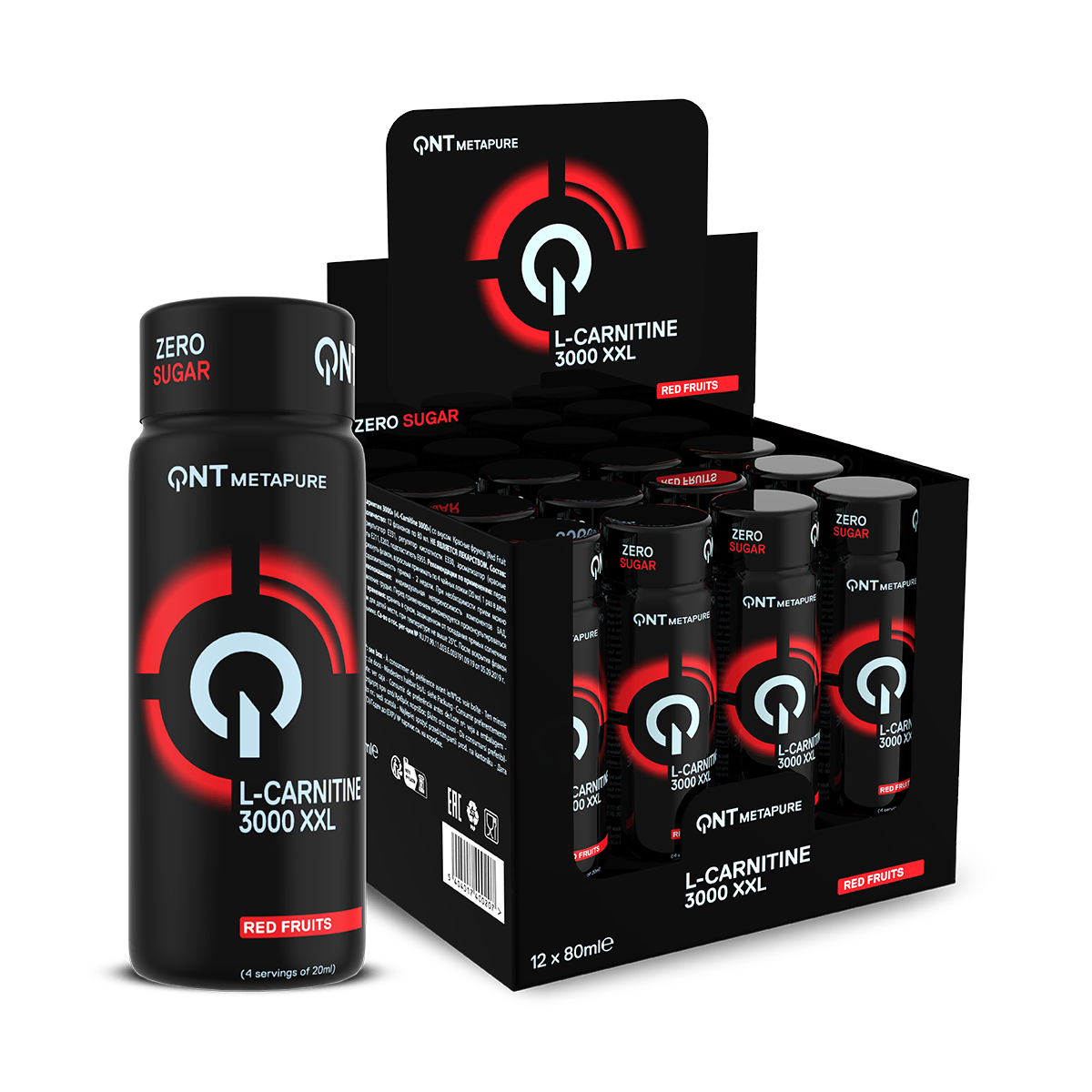
- L-carnitine is generally the best option for those looking to optimize fat burning in combination with physical exercise. For a ready-to-drink option, see QNT L-Carnitine 3000 mg.
- Acetyl-L-carnitine could be a good choice if you're also looking to improve mental focus and support brain health.
- L-carnitine L-tartrate is recommended for athletes or those who want a supplement that is quickly absorbed and can be taken around workouts.
- Propionyl-L-carnitine and GPLC can be considered if you have specific needs related to blood circulation or physical endurance.
There is no universal answer to the question of the best form of carnitine for weight loss, as it depends on individual needs and personal goals. However, by considering the characteristics of each form, you can choose the one that best suits your expectations and lifestyle, keeping in mind that a balanced diet and regular physical activity are essential to maximizing weight loss results.
HOW LONG DOES IT TAKE TO SEE RESULTS WITH CARNITINE?
A common question among carnitine users is how long it takes to start seeing results, particularly regarding weight loss. This question is understandable, as many people are looking for solutions that offer visible results within a reasonable timeframe. However, the answer to this question depends on several key factors, including lifestyle, the dose of carnitine used, and how it is incorporated into an overall weight loss program.
Factors influencing the time frame of results.
1. Lifestyle and dietary habits
- Carnitine is not a miracle solution that works independently of the rest of your lifestyle. If combined with a balanced diet and a regular exercise program, the results can be faster and more pronounced. However, without efforts in diet and exercise, the effects of carnitine might take longer to manifest.
2. Dosage and form of carnitine
- The recommended dosage of carnitine can vary, but it is generally between 1 and 3 grams per day. The form of carnitine you choose can also influence the time it takes to see results. For example, L-carnitine L-tartrate, due to its rapid absorption, could allow for quicker effects, especially when taken before exercise.
3. Level of physical activity
- The results of carnitine are often amplified by physical exercise. Physical activity increases the body's energy demands, which can accelerate the fat-burning process. People who incorporate carnitine into a regular training program are more likely to see results faster than those who do not exercise.
4. Individual metabolism
- Each person has a different metabolism, influenced by factors such as age, gender, genetics, and fitness level. These variables can affect how quickly your body responds to carnitine. Some people may start to see results within a few weeks, while others may take longer.
Timeline of expected results.
First weeks (1 to 2 weeks):
- In the early days of supplementation, it is unlikely that you will notice significant weight loss. However, some people may feel a slight increase in their energy levels, especially during exercise. This effect can be an early sign that carnitine is starting to support fat metabolism.
Between 4 to 6 weeks:
- This is generally when the first visible results may appear, especially if carnitine is combined with a regular exercise program. You may begin to notice a reduction in body fat, improved endurance during workouts, and an overall feeling of well-being.
After 8 weeks and beyond:
- After about two months, the effects of carnitine should be more evident. At this stage, if you are following a balanced diet and exercise program, you may experience more significant weight loss and improvements in body composition. It is important to continue taking carnitine regularly to maintain these results.
Patience and consistency: Keys to success.
It is essential to remember that weight loss is a gradual process, and patience is key. Carnitine can be a valuable ally, but it should not be seen as a quick solution. Results can vary from person to person, and it is important to stay consistent in your approach by combining carnitine with a healthy diet and an exercise program tailored to your goals.
The time to see results with carnitine depends on several factors, including your lifestyle, dosage, and level of physical activity. Generally, the first results may appear after 4 to 6 weeks, but more noticeable improvement may take up to 8 weeks or longer. To maximize the effects of carnitine on weight loss, it is essential to incorporate it into a comprehensive weight management approach, which includes a balanced diet, regular physical activity, and an appropriate dosage of the supplement.
HOW TO TAKE CARNITINE FOR WEIGHT LOSS?
When looking to use carnitine to promote weight loss, it is crucial to know how to take it optimally. Many users wonder what the best time to consume carnitine is, what dosage is recommended, and whether it is better to take it before or after exercise. Here is a comprehensive guide to maximizing the benefits of carnitine as part of a weight loss program.
Ideal time to take carnitine.
The timing of carnitine intake can play a significant role in its effectiveness. Here are some commonly recommended options:
1. Before exercise
- Taking carnitine about 30 to 60 minutes before a workout is often advised. This strategy allows carnitine to be available in your system when you start exercising, maximizing its potential to help transport fatty acids into the mitochondria for energy production. This can not only enhance fat burning during exercise but also increase endurance and reduce muscle fatigue.
2. During the day (outside of training)
- For people who do not train every day or want to maintain a stable level of carnitine in their system, taking carnitine with main meals can be a good option. For example, taking a dose in the morning with breakfast and another at noon can help support fat metabolism throughout the day.
3. After exercise
- Some people prefer to take carnitine after training to promote muscle recovery and reduce post-exercise soreness. Although this timing is less common for weight loss, it can be beneficial if your goal is also to improve muscle recovery and repair.
Recommended dosage.
The dosage of carnitine can vary depending on the individual, their goals, and the form of carnitine used. However, here are some general guidelines:
- L-carnitine: The standard dose for L-carnitine, which is the most common form, is generally 500 mg to 2,000 mg (2 g) per day. For weight loss, a dosage of 1,000 to 2,000 mg per day, split into two doses, is often recommended.
- Acetyl-L-carnitine (ALCAR): For those who choose ALCAR, a dosage of 500 mg to 1,500 mg per day is usually sufficient, as this form is more easily absorbed and has additional effects on brain function.
- L-carnitine L-tartrate: This form, often used by athletes, is also dosed around 1,000 to 2,000 mg per day, especially when taken before exercise to optimize physical performance.
Take carnitine with or without food?
Carnitine can be taken with or without food, but there are a few considerations to keep in mind:
- With food: Taking carnitine with a meal, especially a meal containing carbohydrates, can improve its absorption. Carbohydrates stimulate insulin production, which can help transport carnitine into the muscles.
- Without food: Some people prefer to take carnitine on an empty stomach, particularly before exercise. This can be effective in maximizing carnitine availability during a workout, especially if you follow a low-carb diet.
Combination with other supplements.
Carnitine can be taken in combination with other supplements to optimize weight loss and physical performance:
- Caffeine: Caffeine is often combined with carnitine to boost energy and improve fat burning during exercise.
- Omega-3: Omega-3 fatty acids can enhance the effectiveness of carnitine by facilitating the transport of fatty acids to the mitochondria.
- BCAAs (Branched-Chain Amino Acids): For those looking to preserve muscle mass while losing weight, BCAAs can be taken with carnitine to support muscle recovery.
To get the most out of carnitine as part of a weight loss program, it is important to choose the right timing, adjust the dosage according to your needs, and decide whether it should be taken before, during, or after exercise. Generally, a dose of 1,000 to 2,000 mg per day, taken before exercise or spread throughout the day, is a good starting point for most individuals. Lastly, incorporating carnitine into a healthy lifestyle, with a balanced diet and regular physical activity, is essential to maximize its effects on weight loss.
IS CARNITINE EFFECTIVE WITHOUT EXERCISE?
A common question among carnitine users is whether this supplement can be effective for weight loss or other benefits without being combined with a regular exercise regimen. This is an important consideration, as it determines whether carnitine can truly offer significant advantages to people with a more sedentary lifestyle or to those who, for various reasons, cannot follow a structured exercise program.
The role of exercise in the effectiveness of carnitine.
Carnitine is an amino acid derivative that plays a crucial role in fat metabolism by transporting fatty acids to the mitochondria, where they are burned to produce energy. This process is particularly active during physical exertion, when the body’s energy needs increase significantly.
Without exercise, the body’s basal metabolism, or the amount of energy the body uses at rest, is relatively low. As a result, the demand for carnitine to transport fatty acids is also reduced. This means that without the increased energy needs induced by exercise, carnitine’s ability to accelerate fat burning and promote weight loss is limited.
Studies on the effectiveness of carnitine without exercise.
Research on the effectiveness of carnitine for weight loss in the absence of exercise is more limited and generally shows modest results. While some clinical trials have shown that carnitine can help reduce body fat mass even without exercise, the effects are typically weaker compared to those seen in individuals who combine carnitine with regular physical activity.
In other words, carnitine may have a slight beneficial effect on fat metabolism even without exercise, but this effect is often insufficient to result in significant weight loss or other notable improvements in body composition.
Other potential benefits of carnitine without exercise.
Although weight loss is less pronounced without exercise, carnitine can offer other health benefits, even for sedentary individuals:
1. Cardiovascular health support: Carnitine, particularly in the form of propionyl-L-carnitine, can improve blood circulation and support heart health, even without exercise. This can be beneficial for people with cardiovascular issues or those leading a sedentary lifestyle.
2. Cognitive function improvement: Acetyl-L-carnitine (ALCAR) is known for its beneficial effects on brain function, particularly in improving memory, concentration, and mental sharpness. These effects can manifest independently of physical activity.
3. Fatigue reduction: Carnitine can help reduce fatigue and increase daily energy levels, even without exercise. This can be particularly useful for individuals with chronically low energy levels.
4. Diabetes management: Some studies suggest that carnitine may help regulate blood sugar levels, which could be beneficial for people with type 2 diabetes, even without major changes to their exercise routine.
In summary, although carnitine may offer certain benefits without exercise, its potential to promote weight loss and improve body composition is much more limited in the absence of physical activity. To maximize the effects of carnitine, it is strongly recommended to incorporate it into a comprehensive program that includes a balanced diet and a regular exercise regimen. If exercise is not possible due to medical reasons or other factors, carnitine can still be useful for supporting overall health, but expectations regarding weight loss should be adjusted accordingly.
Which QNT L-carnitine should you choose?
Three formats cover the uses described in this article. The usual dose is 1 to 3 g a day; pick the format that makes taking it every day the easiest.
- L-Carnitine 3000 mg, 12 x 80 ml shots: the most concentrated format, handy before a session.
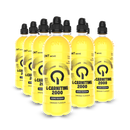
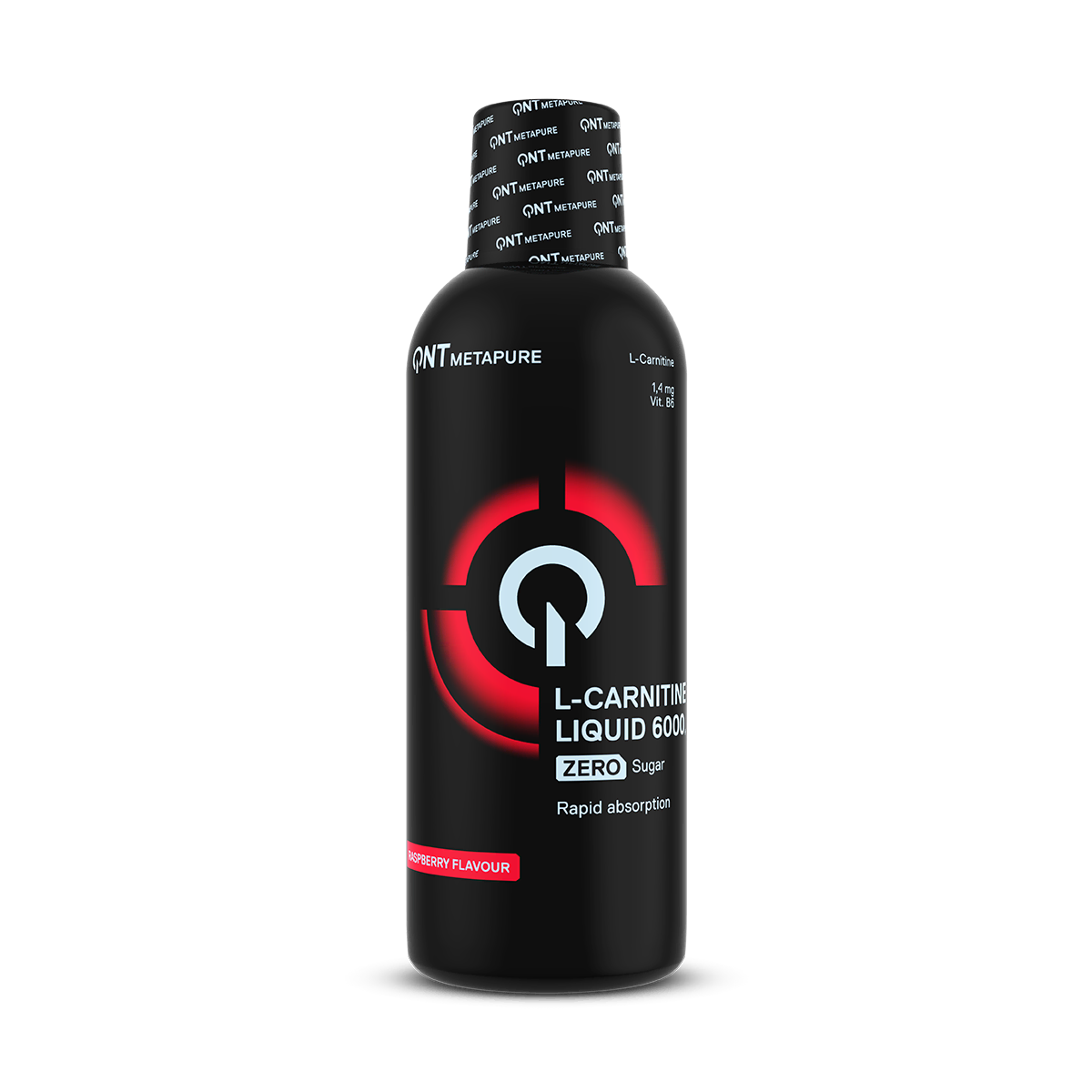
- L-Carnitine 2000 mg, 12 x 700 ml: a sugar-free ready-to-drink bottle for an intake spread over the day.
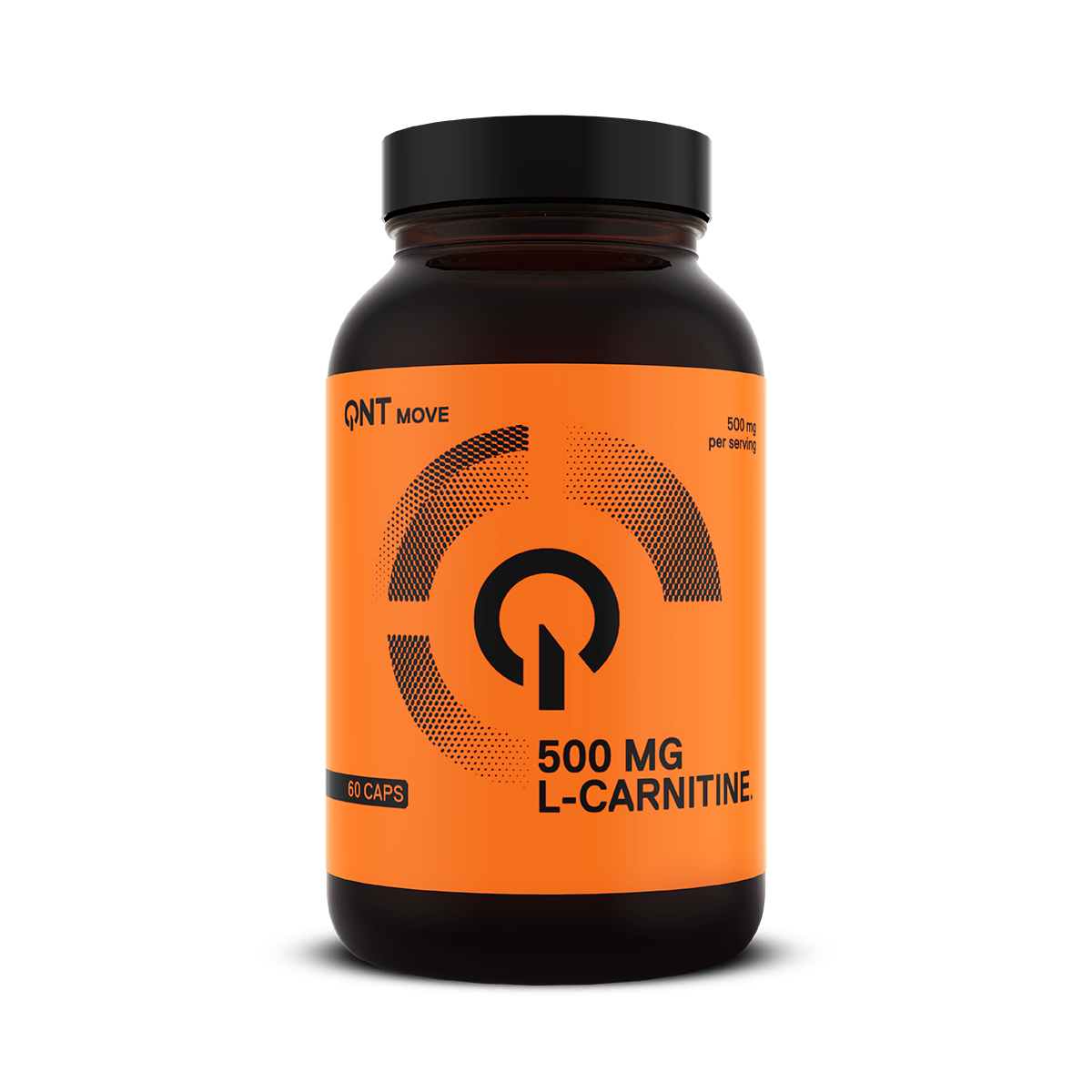
- L-Carnitine 500 mg, 60 capsules: the capsule format for precise dosing.
The full range sits in the L-Carnitine collection, and the other approaches in the Weight loss collection.
COACH'S TIPS
- No fat burner is a miracle product! Without a proper diet and at least some physical activity, the results are likely to be disappointing. Weight loss should be seen as a complete program in which carnitine can be included. In general, taking carnitine is known to increase sweating during intense cardio exercise.
- Feel free to use carnitine in combination with fat burners, but don't forget to give your body everything it needs to function optimally: vitamins and minerals remain the foundation!


FAQ
Read more
 Lose Weight
Natural Appetite Suppressants That Work: Foods and Supplements
Discover 8 natural appetite suppressants with science: protein, fiber, L-Carnitine, green tea, caffeine. Dosages, FAQ, QNT products.
 Lose Weight
How to quit sugar: the complete withdrawal guide
Complete guide to quitting sugar without frustration. Learn 7 proven steps, withdrawal symptoms, and expert-recommended products. Belgian sports nu...

Spring Shredding Guide: How to Maximize Fat Loss for Your Best Summer Body
Winter is over. The layers are coming off. And if you're reading this, you already know the clock is ticking: summer is around the corner, and it's...


